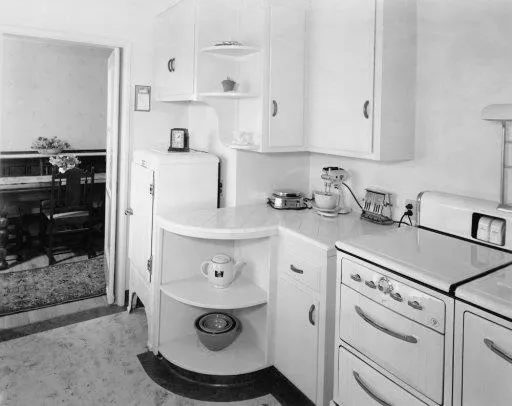
Understanding 1930s Summer Kitchen Decor
The 1930s marked a significant shift in kitchen design, evolving from purely functional spaces to areas where aesthetics and efficiency were equally valued. Post-World War I, with the rise of suburban living and the growing popularity of home cooking, the summer kitchen became a focal point. This era emphasized clean lines, practical layouts, and the use of durable, easy-to-clean materials. Summer kitchens, often lighter and airier than their year-round counterparts, were designed to be inviting spaces perfect for canning, preserving, and preparing seasonal meals. They incorporated design elements that embraced both functionality and charm, making them a hallmark of the decade. Understanding these historical trends helps us appreciate the charm and practicality of 1930s summer kitchen decor.
Color Palettes and Material Choices
Color palettes and material selections in 1930s summer kitchens were all about bringing light and warmth. Soft pastel colors like pale yellows, mint greens, and creamy whites were highly favored, creating a sense of spaciousness and brightness. These colors were often paired with darker, more practical hues like navy blue or forest green for accents and trim. The choice of materials reflected the era’s focus on durability and ease of maintenance. Linoleum flooring was a popular choice, known for its resilience and affordability. Wood cabinets, often painted, were a staple, providing both storage and visual appeal. Enamelware, chrome accents, and glass were also common, contributing to the overall clean and cheerful aesthetic. These material choices not only added to the beauty but also ensured the kitchen was a practical and enjoyable space.
Embracing the 1930s Color Schemes

To truly capture the essence of a 1930s summer kitchen, embrace the era’s signature color schemes. Start with a base of soft, light colors like off-white or pale yellow for walls and cabinetry. These colors reflect light and make the space feel larger. Introduce accent colors through accessories, textiles, and small appliances. Consider using pastel shades of blue, green, or pink to add pops of color without overwhelming the space. A classic combination might include pale yellow walls, mint green cabinets, and touches of navy blue in the curtains or dish towels. The key is to create a balanced and harmonious palette that evokes a sense of warmth and nostalgia. Use inspiration from vintage magazines and catalogs to guide your choices and ensure authenticity in your color selections.
Choosing the Right Materials
Selecting the right materials is crucial for recreating a 1930s summer kitchen. Opt for linoleum flooring in classic patterns like checkerboard or geometric designs; this material is both durable and historically accurate. For cabinets, choose wood options, preferably with a simple, streamlined design. Consider painting them in soft pastel colors to match the era’s aesthetic. Countertops can be made of enamel or porcelain, adding a touch of elegance and practicality. Incorporate chrome accents on cabinet hardware, faucets, and appliances to enhance the vintage look. Use glass jars, enamelware pots, and vintage-style canisters for storage. These materials will not only enhance the decor but also provide the durability and functionality characteristic of the 1930s kitchen.
Furniture Selection in 1930s Style
Furniture played a key role in defining the character of a 1930s summer kitchen. Pieces were designed to be both functional and stylish, often featuring clean lines and practical features. A kitchen table, typically made of wood and often with a drop-leaf design to save space, was a central element. Chairs were simple and sturdy, sometimes with upholstered seats in colorful fabrics. Storage was essential, with cabinets, pantries, and shelves designed to keep the kitchen organized. Consider adding a vintage kitchen cart or a Hoosier cabinet, a type of cabinet that was popular for its efficiency and storage capacity. The furniture should be durable, easy to clean, and contribute to the overall light and airy feel of the kitchen.
Iconic 1930s Kitchen Furniture Pieces

Several furniture pieces are quintessential to a 1930s summer kitchen. The kitchen table, often round or square with a wood construction, was the hub of activity. Chairs, typically made of wood or metal with simple designs, were practical and easy to clean. The Hoosier cabinet, with its built-in storage for flour, sugar, and spices, was a must-have for its functionality. A kitchen cart or a small sideboard provided additional storage and workspace. Consider finding vintage pieces or reproductions that capture the look and feel of the era. Look for furniture with simple, unadorned lines and durable materials that reflect the practicality of the time. These key pieces will help you create an authentic and functional 1930s-style summer kitchen.
Arranging Your Summer Kitchen
The arrangement of your summer kitchen should prioritize both functionality and aesthetics. Start by placing the essential elements—the stove, sink, and refrigerator—in a practical layout that makes meal preparation efficient. If space permits, consider a work triangle to reduce movement between these three areas. Position the kitchen table in a central location, creating a gathering space for family and friends. Ensure there is ample counter space for food preparation. Utilize wall space for storage, with shelves and cabinets strategically placed for easy access. Keep the space open and uncluttered to enhance the airy and inviting feel. Think about how you will use the space for canning, preserving, or enjoying meals during the warmer months and arrange the furniture accordingly.
Essential Decor Elements for a 1930s Kitchen
Decorating a 1930s summer kitchen involves adding the right elements to create an authentic atmosphere. Textiles play a crucial role; opt for vintage-inspired curtains, dish towels, and tablecloths. Choose patterns like gingham, floral prints, or geometric designs, all popular during the period. Accessories, such as enamelware pots, glass jars, and vintage canisters, add character and functionality. Small appliances, such as a vintage-style toaster or mixer, contribute to the retro feel. Lighting fixtures, including pendant lights or sconces with chrome or glass shades, enhance the ambiance. The goal is to combine functional items with decorative touches that reflect the era’s charm and practicality. These elements, when combined, help to create a delightful 1930s summer kitchen.
Textiles and Patterns

Textiles are essential for adding warmth and character to your 1930s summer kitchen. Curtains are a key element, so choose vintage-inspired fabrics like gingham, polka dots, or floral prints. These patterns were common during the era and add a touch of playfulness to the space. Dish towels and tablecloths should complement the color scheme, opting for simple, bright designs. Consider using patterned fabric for chair cushions or seat covers to add more visual interest. The key is to integrate these textiles in a way that is both decorative and functional, creating a cohesive and inviting atmosphere that reflects the era’s style.
Vintage Accessories and Appliances
Accessories and appliances are the final touches that bring the 1930s summer kitchen to life. Collect vintage enamelware pots and pans, which were durable and colorful. Glass jars and canisters are perfect for storing dry goods, and they add to the aesthetic. Incorporate small vintage appliances like a toaster, mixer, or coffee maker, which were iconic of the era. Don’t overlook the details; consider using vintage-style soap dispensers, dish racks, and other functional items to create a cohesive look. These accessories should be chosen to add character and nostalgia, making your summer kitchen feel like a step back in time.
Lighting and Ambiance
Lighting is essential for creating the right ambiance in your 1930s summer kitchen. During this era, kitchens were designed to be bright and airy, so prioritize natural light as much as possible. Supplement natural light with vintage-style lighting fixtures. Pendant lights over the kitchen island or dining table were common, often featuring glass or chrome shades. Sconces on the walls and under-cabinet lighting can provide additional illumination. Choose light bulbs with a warm glow to create a welcoming and inviting atmosphere. The right lighting will enhance both the functionality and the aesthetic appeal of your summer kitchen, making it a delightful place to spend time.
Creating the Perfect Lighting
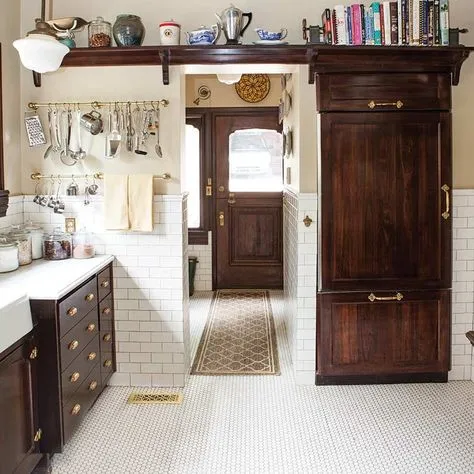
To create the perfect lighting in your 1930s summer kitchen, focus on a combination of natural and artificial light. Maximize natural light by keeping windows clear and using light-colored curtains. For artificial lighting, choose fixtures that reflect the era’s style. Pendant lights with glass or chrome shades are excellent choices for task lighting over the counter or dining table. Sconces on the walls can add ambient lighting and enhance the vintage feel. Under-cabinet lighting can provide additional illumination for food preparation areas. Use warm-toned light bulbs to create a cozy and inviting atmosphere. The goal is to create a well-lit space that is both functional and stylish, reflecting the ambiance of the 1930s.
Incorporating Vintage Appliances
Incorporating vintage appliances is a great way to add authenticity to your 1930s summer kitchen. If possible, find original appliances from the era; however, if finding working originals is difficult, consider purchasing vintage-style reproductions. These appliances will capture the look and feel of the 1930s while providing modern functionality. Choose appliances like a refrigerator with rounded edges, a stove with a classic design, and a toaster or mixer with a vintage aesthetic. Integrate these appliances into your kitchen layout and use them as functional decor, adding to the overall charm and character of your summer kitchen. These appliances can be a conversation starter, and will transport you back to the charm of the 1930s.
Preserving and Restoring Vintage Elements
Preserving and restoring vintage elements is crucial for creating an authentic 1930s summer kitchen. If you have original features in your kitchen, such as cabinetry, flooring, or hardware, consider restoring them. Clean and refinish wood cabinets, replace damaged hardware, and repair or replace flooring with vintage-style materials. When restoring items, research the appropriate methods to maintain their historical integrity. Sometimes, a fresh coat of paint and some new hardware can make a big difference. When possible, try to find original parts and materials to maintain authenticity. The effort will be worth it, as it will help bring the kitchen’s history to life and contribute to its timeless charm.
Maintenance and Cleaning

Maintaining a 1930s summer kitchen requires a commitment to both preserving its vintage features and ensuring its functionality. Regular cleaning is essential to keep the kitchen looking its best. Use appropriate cleaning products for different materials, such as wood, linoleum, and enamel. For example, avoid harsh chemicals on painted cabinets. Keep your appliances clean and in good working order. Schedule routine maintenance for vintage appliances to prevent issues and extend their lifespan. Regularly inspect your kitchen for wear and tear and make repairs as needed. By taking care of your summer kitchen, you can ensure it remains a charming and functional space for years to come.
Finding Inspiration and Resources
Finding inspiration and resources is key when designing a 1930s summer kitchen. Research vintage magazines and catalogs from the era to get an idea of the styles, colors, and materials used. Visit antique stores, flea markets, and online marketplaces to find authentic vintage items. Explore websites, books, and online communities dedicated to vintage design and home decor. Consider consulting with a design professional with expertise in historical styles. Look for inspiration in historic homes and museums to see how 1930s kitchens were originally designed. By gathering information and ideas from these sources, you will be well-equipped to create your own charming and authentic 1930s summer kitchen.
Where to Find Authentic 1930s Items
Finding authentic 1930s items requires some effort, but the results are worth it. Antique stores are a great place to start, as they often have a variety of vintage furniture, appliances, and accessories. Flea markets and estate sales can also be treasure troves for unique finds. Online marketplaces, such as eBay and Etsy, offer a wide selection of vintage items, often with detailed descriptions and photos. Consider visiting salvage yards and architectural salvage stores for vintage hardware, lighting fixtures, and other architectural elements. Research local vintage shops and consignment stores in your area. The more you look, the more likely you are to find the perfect pieces to bring your 1930s summer kitchen to life.