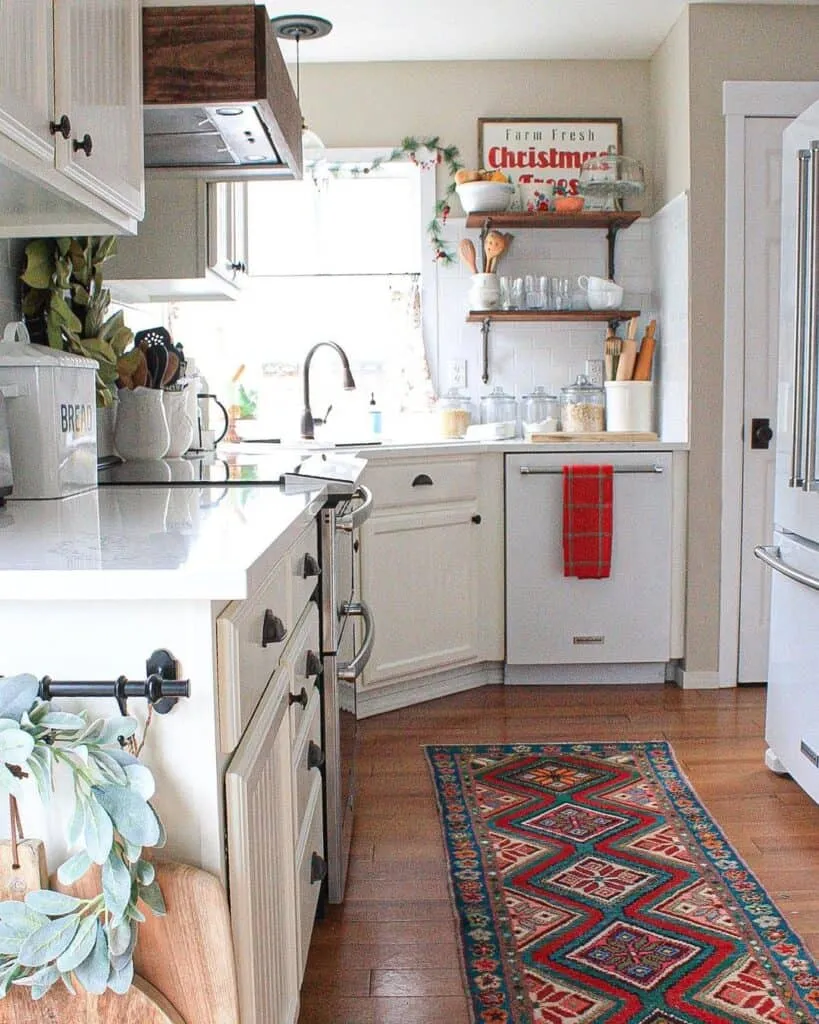
Planning Your Rustic Red Kitchen
Embarking on a rustic red kitchen project requires careful planning to ensure a cohesive and inviting space. Begin by defining your personal style. Do you lean towards a modern rustic, farmhouse, or a more traditional aesthetic? This will guide your material choices, color palette, and overall design. Consider the existing architecture of your kitchen and the flow of the space. How much natural light does the kitchen receive? This will influence the intensity of red you choose and the type of lighting fixtures you’ll need. Also, determine your budget early on. Rustic kitchen designs can range in price, so setting a realistic budget will help you make informed decisions about materials, appliances, and decor. Finally, gather inspiration. Collect images from magazines, websites, and social media to create a mood board, which will help you visualize your dream kitchen.
Choosing Your Color Palette
The color palette is fundamental to a successful rustic red kitchen. Red, as the primary color, should be thoughtfully balanced with complementary hues. Consider shades of cream, beige, and off-white to create a warm and inviting atmosphere. These neutral tones provide a soothing backdrop that prevents the red from becoming overwhelming. Incorporate natural wood tones through cabinets, flooring, or open shelving to add warmth and rustic charm. For accents, explore colors like olive green, slate gray, or even touches of navy blue, which can introduce depth and character. Metallic accents, such as copper or brass, can enhance the rustic feel, adding a touch of elegance and visual interest. When selecting colors, consider the size of your kitchen. Lighter colors will make a small kitchen feel larger, while darker shades can create a cozy atmosphere in a larger space.
The Psychology of Red in the Kitchen

Red is a powerful color, and understanding its psychological effects is crucial when incorporating it into your kitchen. Red is known to stimulate appetite and increase energy levels, making it a great choice for a space where you cook and eat. However, too much red can be overwhelming and create a sense of restlessness. To avoid this, use red strategically. Consider painting an accent wall, incorporating red through accessories, or using it for your kitchen island. Balance the intensity of red with neutral colors, such as white or cream, to create a sense of harmony. Think about the mood you want to create. Do you want an energetic and vibrant space, or a cozy and inviting one? Adjust the shade of red and the amount you use accordingly. Remember, the kitchen is often the heart of the home, and the color you choose should reflect your personality and lifestyle.
Selecting the Right Red Paint
Choosing the right red paint is essential for achieving the desired aesthetic. Consider the undertones of the red; do you prefer a warm red with orange undertones, a cool red with blue undertones, or a neutral red that leans toward neither? Warm reds tend to create a cozy and inviting atmosphere, while cool reds can feel more sophisticated. The finish of the paint also matters. Matte or eggshell finishes are great for hiding imperfections and creating a soft, subtle look. Satin or semi-gloss finishes are more durable and easier to clean, making them ideal for kitchens where moisture and spills are common. Test paint samples in your kitchen before making a final decision. Observe how the color appears in different lighting conditions throughout the day. The color can change dramatically depending on the amount of natural and artificial light. Also, consider the durability and washability of the paint, especially for high-traffic areas like the backsplash or areas around the sink.
Considering Lighting and Natural Light
Lighting plays a critical role in showcasing your rustic red kitchen and setting the mood. Maximize natural light by keeping windows clear and using light-colored window treatments. If possible, add skylights or consider positioning the kitchen near a source of natural light. Layer artificial lighting to achieve a well-lit and functional space. Install overhead lighting, such as recessed lights or pendant lights, to provide general illumination. Task lighting, like under-cabinet lights or lights above the island, is essential for specific areas where you cook and prepare food. Accent lighting, such as wall sconces or decorative lights, can add ambiance and highlight key features. Choose lighting fixtures that complement the rustic style. Consider wrought iron, Edison bulbs, or farmhouse-style pendants. The color of the light also affects the appearance of red. Warm-toned bulbs will enhance the coziness of the space, while cool-toned bulbs will make the red appear more vibrant.
Choosing Kitchen Cabinetry

Kitchen cabinetry is a significant investment and has a substantial impact on the overall design. Consider the style, material, and color of your cabinets. For a rustic red kitchen, choose cabinets made of wood, such as oak, maple, or cherry. These materials add warmth and texture. Alternatively, you could opt for painted cabinets, a popular and affordable option. The color of the cabinets will influence the overall atmosphere. If you want the red to be the star, choose cabinets in a neutral color, such as white, cream, or light gray. If you want a more cohesive look, you could incorporate red through your cabinets, perhaps painting them a muted shade of red. Cabinet style is also essential. Shaker-style cabinets, with their simple, clean lines, are a classic choice for rustic kitchens. Distressed or weathered cabinets add character and charm. Open shelving is another option, allowing you to display your dishware and decor while adding a touch of airiness to the space. When choosing cabinetry, also consider the layout, functionality, and storage needs.
The Best Cabinet Colors
Selecting the right cabinet color is paramount for a harmonious design. If you choose a bold red for the walls or other prominent features, opt for neutral cabinet colors to balance the vibrancy. Classic whites like ‘Swiss Coffee’ or ‘Cloud White’ create a bright and airy feel, while off-whites and creams add warmth and a vintage touch. Consider light grays, such as ‘Agreeable Gray’, for a contemporary rustic feel. They provide a subtle contrast to the red and complement wood tones. For a bolder look, you can incorporate darker cabinet colors. Navy blue or charcoal gray can create a sophisticated and dramatic contrast. These darker shades can also make the space feel cozy and intimate, especially in larger kitchens. Remember to consider the finish of your cabinets. Matte finishes are popular for their soft look, while satin or semi-gloss finishes are more durable and easier to clean. The choice depends on your preferences and the needs of your kitchen.
What about Countertops
Countertops significantly impact the aesthetics and functionality of your kitchen. When choosing countertops for a rustic red kitchen, consider the material, color, and texture. Natural stone options like granite, marble, or soapstone are excellent choices for their durability and unique patterns. Granite offers a wide range of colors and patterns, while marble adds a touch of elegance. Soapstone has a soft, warm appearance and is resistant to stains. Engineered quartz countertops are another popular option, offering a wide range of colors and patterns, including options that mimic natural stone. Wood countertops add warmth and a rustic charm but require regular maintenance. Concrete countertops provide a modern, industrial touch and can be customized to your desired color and finish. The color of your countertops should complement both the cabinets and the red elements in the kitchen. Neutral colors like white, cream, or gray are versatile options that work with various design schemes.
Matching Countertops to Red

Pairing countertops with red can be a fun design challenge. Lighter countertops, such as white or cream granite or quartz, provide a crisp contrast and prevent the space from feeling too dark. They help to balance the intensity of the red and create a sense of openness. If you prefer a warmer look, consider countertops with warm undertones, such as beige or tan. These can complement the red and create a cohesive color scheme. For a more dramatic look, choose countertops with dark colors. Black granite or charcoal quartz can create a sophisticated contrast and make the red pop. However, make sure to balance the dark countertops with lighter elements in the kitchen, such as cabinets or walls. Consider the pattern of the countertop. Solid-colored countertops provide a clean and modern look, while countertops with patterns add visual interest and can complement the rustic style. Think about the overall feel you are trying to achieve.
Flooring and Backsplash Options
Flooring and backsplash choices greatly influence the overall look and feel of a rustic red kitchen. When it comes to flooring, hardwood is a classic choice, adding warmth and character. Consider distressed or reclaimed wood for a truly rustic feel. Other options include engineered wood, which is more durable and water-resistant than solid hardwood. Tile flooring, such as ceramic or porcelain, is another popular choice, offering a wide range of colors, patterns, and textures. Choose tiles that mimic natural stone or have a rustic appearance. For the backsplash, consider materials that complement the red and the overall rustic style. Subway tile is a classic option, offering a clean and timeless look. Consider using a contrasting grout color to add visual interest. Other options include mosaic tile, which can add texture and pattern, or natural stone tile, which adds a touch of elegance and sophistication. The choice of flooring and backsplash should be coordinated to create a cohesive and visually appealing space.
Flooring Materials and Styles
Choosing the right flooring is crucial for both aesthetics and practicality. Hardwood flooring, with its natural warmth and character, is a great fit for a rustic red kitchen. Consider options like oak, maple, or hickory, known for their durability and beautiful grain patterns. Distressed or reclaimed wood adds a touch of history and unique charm. Engineered wood offers a more budget-friendly and water-resistant alternative to solid hardwood, making it ideal for kitchens. Tile flooring, especially ceramic or porcelain, is another practical choice, offering various styles, colors, and patterns. Stone-look tiles can mimic the appearance of natural stone, such as slate or travertine, adding a touch of elegance. Consider the size and shape of the tiles; larger tiles can make a small kitchen feel more spacious. The color and texture of the flooring should complement the overall design and the red elements in your kitchen. A lighter floor will make the space feel brighter and more open, while a darker floor can create a cozy atmosphere.
Backsplash Designs

The backsplash is a significant design element, offering the perfect opportunity to add personality and protect your walls. Classic subway tiles are a versatile and timeless choice, available in various colors, and can create a clean and elegant look. Consider using a contrasting grout color to make the tiles pop. Mosaic tiles add texture and pattern. They come in various materials, from glass to stone, providing visual interest. Natural stone backsplashes, such as slate or marble, provide a touch of luxury and sophistication, but require more maintenance. For a rustic look, consider brick or faux brick tiles, adding a touch of warmth and character. When selecting a backsplash, ensure it complements the countertop and the overall kitchen design. Consider the size of your kitchen. In a small kitchen, a simple backsplash can prevent the space from feeling cluttered, while a larger kitchen can handle a more elaborate design. The backsplash color should coordinate with your other elements; if the red is dominant, you may prefer a more neutral backsplash.
Adding Rustic Elements
To enhance the rustic charm of your red kitchen, integrate elements that evoke a sense of history and simplicity. Consider open shelving made from reclaimed wood to display your favorite dishware, cookbooks, or decorative items. Incorporate a farmhouse sink, with its apron front, adding a touch of traditional charm. Opt for cabinet hardware made of wrought iron, oil-rubbed bronze, or antique brass. These materials add texture and visual interest. Choose a kitchen island with a distressed finish or a butcher block countertop. Incorporate natural materials, such as wood, stone, and metal, throughout the space. Consider exposed beams or shiplap walls to create a cozy, inviting atmosphere. Use antique or vintage furniture, such as a wooden table or chairs, to add character and personality. These rustic elements will complement the red and create a cohesive design.
Essential Rustic Kitchen Decor
The right decor ties the whole space together, creating the desired atmosphere. Essential rustic kitchen decor includes vintage-inspired pieces, such as enamelware, cast iron cookware, and mason jars. Display these items on open shelving or on your countertops to add charm and character. Textiles play an important role; consider using dish towels with rustic patterns, such as buffalo check or floral designs. Table runners, placemats, and curtains in natural fabrics, such as linen or cotton, can also enhance the look. Incorporate wood accents, such as cutting boards, wooden bowls, and serving utensils. Wrought iron accents, such as candle holders or decorative trays, add a touch of elegance. Incorporate plants and fresh herbs, such as basil or rosemary, to add freshness and life to the space. These decor elements, when carefully selected, will complete your rustic red kitchen design, creating a warm, inviting, and stylish space.
Accessorizing with Rustic Red Accents

Adding rustic red accents is an excellent way to tie the design together and complement your existing color palette. Consider incorporating red in your dishware. Red-and-white checkered plates, vintage enamelware, or a set of red mugs can add a pop of color. Use red textiles, such as dish towels, oven mitts, and pot holders. Consider a red tablecloth or placemats to add a touch of elegance. Choose red decorative items, such as vases, bowls, or canisters. If your cabinets are neutral, red knobs or handles could add a touch of character. Display red fruits and vegetables, such as apples, tomatoes, or bell peppers, in a decorative bowl. Consider red artwork or wall decor, such as paintings or prints with red elements. Be mindful of the balance; use the accents sparingly to avoid overwhelming the space. These carefully selected red accents will enhance your kitchen design.
Price and Budget Considerations
Budgeting is crucial when planning a kitchen remodel. The cost of a rustic red kitchen can vary greatly depending on the scope of the project, the materials used, and the labor costs. Determine a realistic budget at the outset and prioritize your spending. Research prices for cabinets, countertops, appliances, and other materials. Cabinetry and countertops are often the most expensive items. Consider the labor costs if you plan to hire professionals. If you are on a tight budget, consider DIY options, such as painting your cabinets or installing a backsplash. Focus on areas where you can save money without sacrificing the overall aesthetic. Explore affordable materials. For example, consider using laminate countertops instead of granite, or opt for less expensive tiles for your backsplash. Look for sales and discounts, compare prices from different vendors, and explore repurposed items. Remember, a well-planned budget ensures that you achieve your dream kitchen without breaking the bank.
How to Find Affordable Options
Creating a beautiful rustic red kitchen on a budget is achievable with careful planning. One strategy is to look for sales and discounts on materials and appliances. Many home improvement stores offer seasonal sales, which can help you save significantly. Consider exploring budget-friendly materials. Laminate countertops and ceramic tile are often more affordable than natural stone options. Consider purchasing pre-made cabinets instead of custom-built ones. You can also save money by repurposing existing items. If your current cabinets are in good condition, consider repainting them to give them a fresh look. Shop at discount stores or salvage yards for unique finds, such as vintage cabinet hardware or antique lighting fixtures. If you’re handy, consider DIY projects, such as painting your cabinets, installing a backsplash, or building open shelving. These strategies will help you create a stylish rustic red kitchen without exceeding your budget.
DIY and Budget-Friendly Decor Ideas

Embracing DIY projects is a fantastic way to save money and add a personal touch to your rustic red kitchen. Repainting your existing cabinets is a cost-effective way to refresh your kitchen’s appearance. Choose a neutral color to create contrast. Install a DIY backsplash. Subway tiles are easy to install and can be found at affordable prices. Build open shelving from reclaimed wood. This adds rustic charm and provides extra storage space. Create your own artwork. Frame vintage prints or create your own paintings. Make your own window treatments. Use fabrics in natural colors. Incorporate thrift store finds, such as vintage enamelware or decorative bowls. Make your own accessories, such as cutting boards or utensil holders. These DIY projects add a unique character while keeping costs down. Remember, the goal is to create a space that reflects your personal style without overspending.