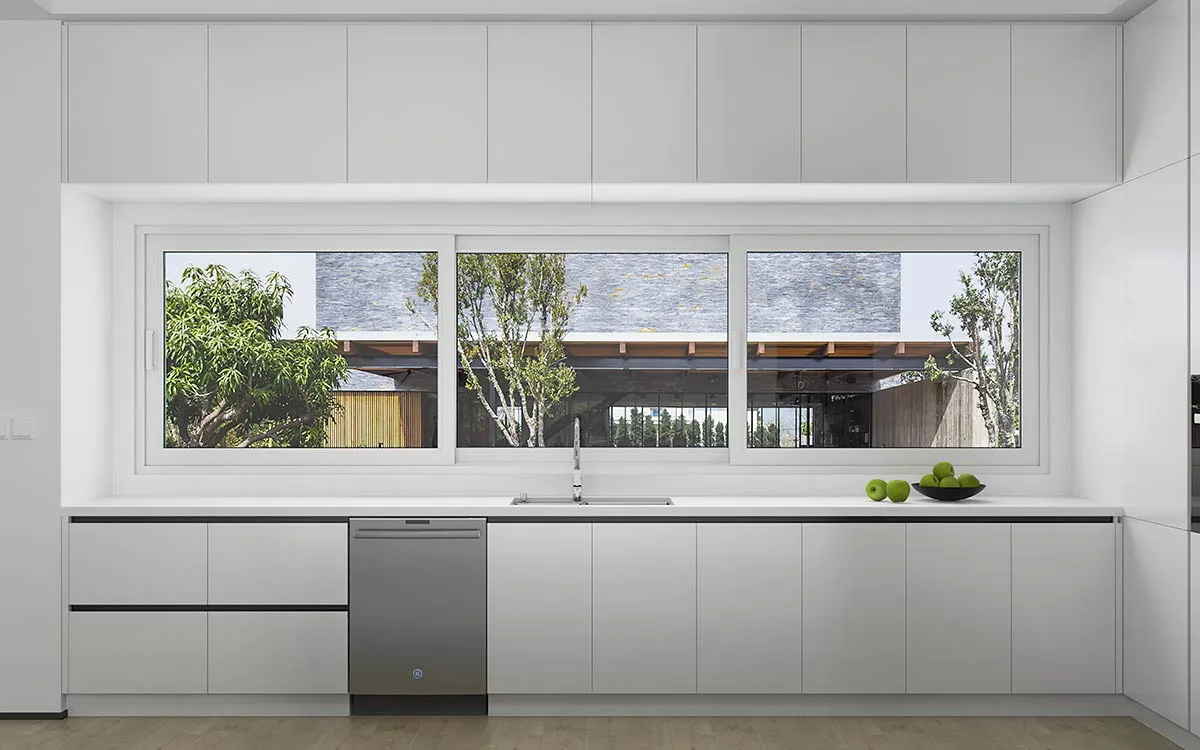
What is Minimalist Kitchen Decor
Minimalist kitchen decor is more than just a design style it’s a philosophy. It centers on the principle of ’less is more’ emphasizing simplicity, functionality, and a clutter-free environment. The goal is to create a kitchen space that is both aesthetically pleasing and highly practical, where every item serves a purpose and contributes to the overall sense of calm and order. This approach involves carefully curating your kitchen contents, focusing on essential items, and eliminating anything that doesn’t add value or functionality. The result is a serene and efficient kitchen that promotes a sense of well-being and allows you to focus on the joy of cooking and gathering.
The Core Principles of Minimalist Design
The core principles of minimalist design are centered around a few key ideas. The first is simplicity, which means stripping away unnecessary elements to reveal the essential forms and functions. Functionality is another crucial aspect, ensuring that every item serves a purpose and contributes to the overall usability of the space. Clean lines and uncluttered surfaces are essential, creating a visual harmony that promotes a sense of calm. Neutral color palettes, often featuring whites, grays, and natural tones, enhance the sense of spaciousness and tranquility. Finally, the use of high-quality materials and craftsmanship is valued, as it reflects the focus on durability and longevity rather than disposable trends. Embracing these principles creates a kitchen that is not only beautiful but also highly efficient and enjoyable to use.
Reducing Clutter and Maximizing Space

Reducing clutter is the cornerstone of minimalist kitchen decor, as it directly impacts the functionality and aesthetic appeal of the space. Start by evaluating every item in your kitchen, asking yourself if it is essential, useful, and something you love. Items that don’t meet these criteria should be donated, sold, or discarded. Focus on efficient storage solutions, such as pull-out shelves, drawer organizers, and vertical storage to maximize every inch of available space. Keep countertops clear, only displaying items that are frequently used and visually appealing. This creates a sense of openness and order, making the kitchen feel larger and more inviting. Prioritize items based on their utility, and consider investing in multipurpose tools and appliances to reduce the overall number of items. The goal is a kitchen that is easy to clean, navigate, and enjoy.
Decluttering Your Kitchen
Decluttering your kitchen is a process that requires focus, discipline, and a willingness to let go of unnecessary items. Begin by dividing your kitchen into zones — such as pantry, drawers, countertops, and cabinets — to make the process more manageable. For each zone, remove all items and evaluate them individually. Consider their frequency of use, their condition, and whether they add value to your kitchen. Discard any expired food items, broken appliances, or duplicates. Donate items that are in good condition but you no longer use. Organize the remaining items efficiently, placing frequently used items within easy reach. Use storage containers, labels, and dividers to keep everything tidy and accessible. Remember, the goal is not just to remove items, but to create a more functional and enjoyable kitchen space. This methodical approach to decluttering will help you achieve a minimalist kitchen, one step at a time.
Essential Kitchen Items to Keep
When curating your minimalist kitchen, focus on keeping only essential items. These are items that you use regularly and find indispensable. For cookware, this might include a high-quality skillet, a saucepan, and a versatile stockpot. Opt for durable, long-lasting materials like stainless steel or cast iron. For utensils, select a few essential items like a spatula, wooden spoons, and a whisk. For food preparation, keep a cutting board, a chef’s knife, and a few measuring cups and spoons. For appliances, a multi-functional appliance that can perform multiple tasks is ideal. A carefully selected set of essential items will allow you to prepare a wide range of meals without cluttering your kitchen. The key is to invest in quality, durable items that serve their purpose effectively. This approach will enhance your cooking experience while maintaining the minimalist aesthetic.
Items to Remove for Minimalist Look

To achieve a minimalist kitchen look, it’s important to identify and remove items that contribute to clutter. Start by assessing your kitchen for duplicates, such as multiple sets of dishes or serving utensils. Remove any rarely used appliances, like specialty mixers or seldom-used food processors. Consider the items on your countertops: are they essential, or can they be stored away? Eliminate any decorative items that don’t serve a functional purpose. Extra gadgets or novelty items should also go. Focus on keeping only those items that you use frequently and that align with your minimalist aesthetic. By thoughtfully editing your belongings, you’ll create a streamlined kitchen that is both visually appealing and highly efficient. Removing unnecessary items will help you create a space that is conducive to calm and focus.
Choosing the Right Color Palette
The color palette plays a critical role in minimalist kitchen decor. A neutral color scheme is a hallmark of this style, as it creates a sense of calm and spaciousness. Consider using whites, grays, and soft beiges as the primary colors for your walls, cabinets, and countertops. These colors reflect light, making the kitchen feel brighter and more open. You can introduce subtle variations within this palette to add visual interest, such as using a slightly darker shade of gray for the lower cabinets or a warmer tone for the backsplash. Avoid overly bold or bright colors, as they can distract from the minimalist aesthetic. For accents, incorporate natural wood tones, which bring warmth and texture to the space. You can also add small pops of color through plants or a few carefully chosen accessories. The goal is to create a cohesive and serene environment.
Selecting Minimalist Kitchen Accessories
When choosing kitchen accessories for a minimalist decor, the focus should be on functionality and simplicity. Select a few essential items that serve a clear purpose, such as a sleek soap dispenser, a minimalist paper towel holder, and a simple set of canisters for storing dry goods. Opt for accessories in neutral colors and materials like stainless steel, wood, or glass, to complement the overall aesthetic. Avoid accessories that are overly decorative or cluttered. Choose items with clean lines and simple shapes. Consider investing in high-quality, durable accessories that will last for years. This will eliminate the need for frequent replacements. Display only a few carefully chosen items on your countertops and in your open shelving, using them as opportunities to add subtle touches of personality. Remember, the goal is to enhance the functionality of the kitchen without adding unnecessary visual clutter.
Choosing Functional and Stylish Furniture

The furniture in a minimalist kitchen should be both functional and stylish. Opt for pieces with clean lines, simple shapes, and minimal ornamentation. Avoid ornate or overly detailed furniture, which can detract from the minimalist aesthetic. Choose materials that are durable and easy to clean, such as solid wood, stainless steel, or engineered stone. Consider the functionality of each piece: does it offer storage, seating, or workspace? For seating, select bar stools or chairs with a minimalist design. For dining tables, consider a simple, extendable table to save space. If you have a small kitchen, choose furniture that can serve multiple purposes, such as a kitchen island with built-in storage or a drop-leaf table that can be folded away when not in use. Prioritize quality over quantity, investing in a few well-designed pieces that will last. This will enhance the functionality and aesthetic appeal of your kitchen.
Lighting and its Impact on Kitchen Decor
Lighting plays a crucial role in minimalist kitchen decor, influencing both the functionality and the ambiance of the space. A well-lit kitchen feels larger, more inviting, and more efficient for food preparation. Incorporate a combination of lighting sources to achieve the best results: ambient lighting, task lighting, and accent lighting. Ambient lighting provides overall illumination, often from recessed ceiling lights or a simple pendant light. Task lighting illuminates specific work areas, such as countertops and the cooktop, using under-cabinet lights or directional spotlights. Accent lighting adds visual interest and highlights specific features, such as a backsplash or open shelving, using strategically placed spotlights or LED strips. Choose lighting fixtures with clean lines and simple designs to maintain the minimalist aesthetic. Consider the color temperature of your lights: warm white creates a cozy feel, while cool white enhances clarity. The right lighting scheme will elevate the style and functionality of your minimalist kitchen.
Incorporating Natural Light
Incorporating natural light is essential in minimalist kitchen decor, as it enhances the sense of openness and connection to the outdoors. Maximize natural light by keeping windows clear of obstructions, such as heavy curtains or cluttered window sills. If possible, install larger windows or skylights to bring more light into the space. Choose light-colored window treatments, such as sheer curtains or blinds, to filter sunlight while maintaining privacy. Position your kitchen layout to take advantage of natural light. Place the sink or food preparation area near a window to benefit from the light while you work. Natural light not only makes your kitchen feel brighter and more spacious, but it also improves your mood and overall well-being. Embracing natural light is a simple yet effective way to enhance your minimalist kitchen’s aesthetic.
Choosing Energy Efficient Lighting

Choosing energy-efficient lighting is a smart practice for any minimalist kitchen. It reduces your energy consumption and adds to the sustainable focus of your decor. Opt for LED lighting, which uses significantly less energy than traditional incandescent or halogen bulbs. LED bulbs also have a longer lifespan, reducing the need for frequent replacements. Consider using smart lighting systems that allow you to control the brightness and color temperature of your lights. Install dimmers to adjust the lighting levels as needed, creating a cozy or bright atmosphere. When selecting light fixtures, choose designs that are simple and functional, and that blend seamlessly with your minimalist aesthetic. By making energy-efficient lighting choices, you can create a beautiful and sustainable kitchen while reducing your carbon footprint.
Adding Plants for a Minimalist Touch
Adding plants to your minimalist kitchen can bring life, color, and a touch of nature to your decor. Plants soften the clean lines of minimalist design and introduce a sense of tranquility and freshness. Choose plants that are easy to care for and that complement your kitchen’s aesthetic. Consider placing a small potted herb garden on your windowsill, adding a touch of greenery and providing fresh ingredients for cooking. Display a few well-chosen plants on open shelving or countertops. Use simple, minimalist planters made of ceramic, concrete, or glass to maintain the uncluttered look. The type of plants you choose can vary from easy-to-care-for snake plants or ZZ plants to more vibrant options like pothos. Incorporating plants enhances the air quality and adds a calming element to the space. Adding plants is a small but impactful way to personalize your kitchen and create a more inviting environment.
The Benefits of Kitchen Plants
The benefits of having plants in your kitchen extend far beyond aesthetics. Plants improve the air quality by filtering out toxins and releasing oxygen. They also help to reduce stress and improve your mood, creating a more pleasant cooking and dining environment. Some plants, like herbs, provide fresh ingredients for your meals. Kitchen plants can add a natural element to a minimalist space and create a more inviting atmosphere. Furthermore, caring for plants can provide a sense of accomplishment and a connection to nature, which can be especially beneficial in a busy kitchen environment. The presence of plants in the kitchen can make the space feel more alive and welcoming.
Best Plant Types for Kitchens

When selecting plants for your minimalist kitchen, choose varieties that thrive in a kitchen environment. Herbs like basil, mint, and rosemary are ideal, as they provide fresh ingredients and a pleasant aroma. Consider low-maintenance plants that don’t require a lot of sunlight, such as snake plants, spider plants, or ZZ plants. These plants are easy to care for and add a touch of greenery without requiring much effort. For added color and visual interest, you might choose a pothos, a philodendron, or a cast iron plant. Select plants that complement your kitchen decor and fit the overall aesthetic. Remember to consider the amount of sunlight your kitchen receives and choose plants accordingly. Also, select plants with simple, elegant planters that enhance the minimalist look.
Maintaining Your Minimalist Kitchen
Maintaining your minimalist kitchen is crucial to preserving its aesthetic appeal and functionality. Create a regular cleaning routine to keep surfaces clean and clutter-free. Wipe down countertops and appliances daily and sweep or vacuum the floor regularly. Store items away immediately after use, avoiding the temptation to leave things out. Declutter regularly, discarding any unnecessary items or items that you no longer use. Regularly assess your kitchen’s layout and storage solutions, making adjustments as needed to optimize efficiency. By maintaining a clutter-free, organized space, you’ll ensure that your minimalist kitchen remains a sanctuary of calm and functionality. This will also keep your cooking space more enjoyable.
Cleaning and Organizing Tips
Effective cleaning and organizing are essential for maintaining a minimalist kitchen. Develop a cleaning routine to keep your kitchen tidy. Wipe down countertops and the sink after each use. Clean appliances regularly to prevent build-up. Organize your cabinets and drawers, making sure that everything has its place and is easy to access. Use storage containers and dividers to keep items organized and prevent clutter. Regularly declutter your kitchen, discarding any items you no longer use or need. Periodically deep clean your kitchen, paying attention to areas that accumulate grime. These cleaning and organizing habits will make your kitchen more functional and enjoyable. By developing and adhering to these habits, you’ll create a kitchen that stays tidy with minimal effort.
Avoiding Clutter in the Future

Avoiding clutter in the future is essential for maintaining a minimalist kitchen. Develop habits to prevent future clutter. Before bringing any new item into your kitchen, consider whether it is truly necessary and whether it aligns with your minimalist aesthetic. Practice conscious shopping, avoiding impulse purchases and focusing on quality over quantity. Implement a ‘one in, one out’ rule for new purchases, removing an existing item whenever you add a new one. Regularly assess your belongings, asking yourself if you still need them and if they are serving a purpose. Store items in their designated places immediately after use. Be mindful of the items you accumulate over time, and consider donating or selling items that you no longer use. By adopting these habits, you’ll ensure that your kitchen remains a clutter-free, functional, and enjoyable space for years to come.