Kitchen Decor Updates Top 7 Tips
Are you dreaming of a kitchen makeover but overwhelmed by the thought of a complete renovation? Don’t worry! Kitchen decor updates can breathe new life into your space without breaking the bank or requiring extensive construction. From simple cosmetic changes to clever organizational solutions, there are many ways to transform your kitchen into a stylish and functional hub of your home. This guide offers seven practical tips to help you achieve your kitchen decor dreams. Get ready to discover how a few strategic updates can make a big difference.
Tip 1 Define Your Style
Before you start buying anything, take some time to define your style. Consider what aesthetic you’re drawn to. Do you prefer the clean lines of modern design, the rustic charm of farmhouse style, or the timeless elegance of a classic kitchen? Understanding your preferred style will guide your choices and help you create a cohesive look. Browse home decor magazines, websites, and social media platforms like Pinterest and Instagram to gather inspiration and identify the elements that appeal to you.
Understanding Different Kitchen Styles

Explore various kitchen styles to pinpoint the one that best suits your personality and home. Modern kitchens often feature minimalist designs with sleek cabinets, stainless steel appliances, and neutral color palettes. Farmhouse kitchens embrace warmth with wooden elements, open shelving, and vintage-inspired accents. Traditional kitchens typically incorporate classic features like raised-panel cabinets, ornate details, and warm, inviting colors. Shabby chic kitchens combine vintage furniture with soft color and floral patterns. Knowing these styles will help you narrow down your choices.
Choosing Colors and Materials
Once you have a style in mind, it’s time to think about colors and materials. Colors can significantly impact the overall feel of your kitchen. Consider light and airy colors like whites, creams, and light grays to create a sense of spaciousness, or embrace darker colors like navy blue or charcoal gray for a dramatic touch. When selecting materials, think about durability and aesthetics. Granite, quartz, and butcher block are popular choices for countertops, while tile, wood, and vinyl are common options for flooring. Choose materials that complement your chosen style and withstand daily use.
Tip 2 Declutter and Organize
Decluttering is often the first step towards a more beautiful and functional kitchen. A cluttered kitchen can feel chaotic and make it difficult to find what you need. Take everything out of your cabinets, drawers, and pantry and evaluate each item. Donate or discard anything you no longer use or need. Keep only the essentials and items you frequently use. This simple step will create a more open and inviting space, setting the stage for further updates.
The Benefits of a Tidy Kitchen

A tidy kitchen offers more than just aesthetic benefits. It reduces stress, makes cooking and meal preparation more efficient, and prevents food waste. When your kitchen is organized, you can quickly find ingredients and tools, saving you time and effort. Additionally, a well-organized kitchen allows you to better monitor expiration dates and reduce the chances of forgetting about items, which can lead to food waste and save you money.
Smart Storage Solutions
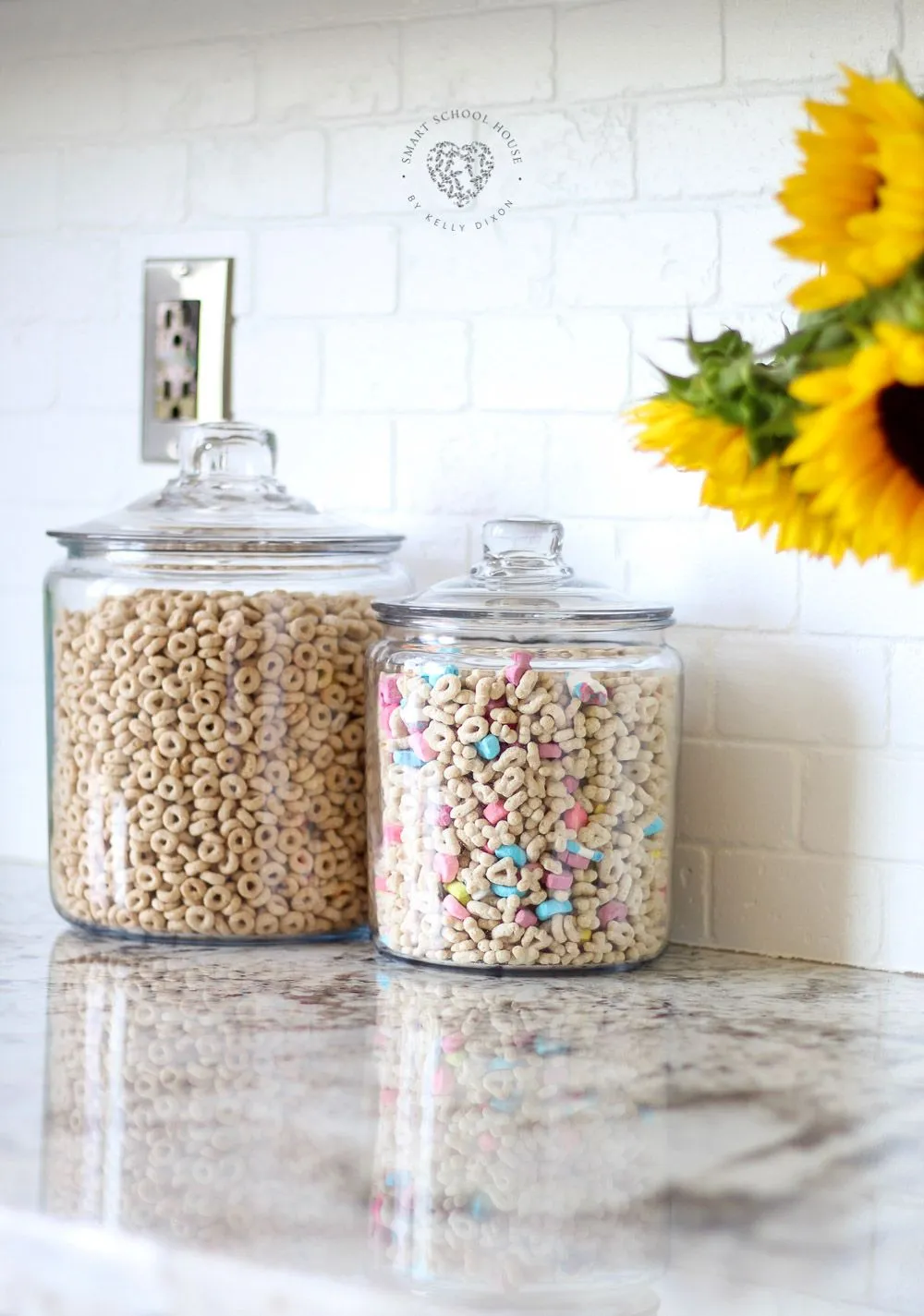
Once you’ve decluttered, invest in smart storage solutions to maximize space and keep things organized. Consider using drawer organizers, cabinet pull-outs, and pantry organizers to make the most of every inch of storage space. Install shelves in your pantry to store items at eye level. Use clear containers to store dry goods and label them for easy identification. Utilize vertical space with pot racks or hanging shelves. These solutions can keep your kitchen from feeling cramped.
Tip 3 Update Your Lighting
Lighting can significantly impact the look and feel of your kitchen. Bright, well-placed lighting can make your kitchen appear larger and more inviting. If you’re looking for a quick update, consider changing your light fixtures. You can replace old, outdated fixtures with modern pendants, stylish sconces, or recessed lighting. Proper lighting can also improve the functionality of your kitchen, especially in areas where you prepare food.
Types of Kitchen Lighting

There are three primary types of kitchen lighting: ambient, task, and accent lighting. Ambient lighting provides overall illumination, usually from overhead fixtures like recessed lights or a chandelier. Task lighting focuses on specific areas, such as the countertop or stove, using under-cabinet lights or pendant lights. Accent lighting highlights architectural features or decorative items. Consider a combination of these lighting types to create a well-lit and visually appealing kitchen space.
Choosing the Right Bulbs
The type of light bulbs you choose can also make a difference. LED bulbs are energy-efficient and last longer than traditional incandescent bulbs. Consider the color temperature of the light. Warm white light creates a cozy atmosphere, while cool white light is brighter and more suitable for task lighting. Choose bulbs with the right lumens (brightness) for your kitchen. Experimenting with different types of bulbs can help you find the perfect lighting scheme.
Tip 4 Refresh Your Hardware
Replacing your kitchen hardware – knobs and pulls on cabinets and drawers – is an easy and affordable way to update the look of your kitchen. It’s a small change that can make a big impact. Choose hardware that complements your overall style. Consider the finish – brushed nickel, matte black, or antique brass – to add visual interest and tie the space together. This simple swap is a great way to add a touch of personality and style to your kitchen.
Knobs and Pulls

There are many options for cabinet hardware, from classic knobs to sleek pulls. Knobs are a traditional choice that works well with various kitchen styles. Pulls offer a modern and streamlined look. Consider the size and shape of your hardware. Choose pulls that are comfortable to grip and easy to use. Mix and match styles to create a unique look, but make sure the hardware’s finish complements your cabinets and the overall style of your kitchen.
Consider the Finish
The finish of your hardware can significantly impact the overall look. Brushed nickel is a versatile choice that complements many kitchen styles. Matte black hardware adds a touch of sophistication and contrast, especially in kitchens with light-colored cabinets. Antique brass hardware gives your kitchen a vintage feel. Consider the existing finishes in your kitchen. The hardware should create a cohesive look and not clash with the other elements of your kitchen decor.
Tip 5 Add a Fresh Coat of Paint
A fresh coat of paint can dramatically transform your kitchen without requiring major changes. Painting your cabinets, walls, or both is an affordable way to update the color palette and give the space a fresh look. The color you choose can make a big difference in the overall feel. For example, a light and bright color can make your kitchen appear larger and more open, while a darker color can create a more intimate atmosphere.
Choosing the Right Kitchen Paint

When choosing paint for your kitchen, consider durability. Kitchens are subject to moisture, grease, and wear and tear, so choose a paint that is washable and resistant to stains. Semi-gloss and satin finishes are good options for walls and cabinets because they are easy to clean. If you’re painting cabinets, you’ll want to choose a paint that adheres well to the surface and is resistant to chipping. Consider using a primer before painting cabinets or walls.
Prep Work is Essential
Proper preparation is crucial for a successful paint job. Before you begin, clean your walls and cabinets thoroughly. Fill any holes or imperfections with spackle and sand the surfaces smooth. Use painter’s tape to protect areas you don’t want to paint, such as trim and countertops. Apply primer to ensure the paint adheres properly, especially on cabinets. Proper prep work saves time and ensures a smooth, professional-looking finish.
Tip 6 Incorporate Accessories
Accessories are the finishing touches that add personality and style to your kitchen. Adding decorative elements can make your kitchen feel warm and inviting. Displaying a few well-chosen items can completely transform the look of the space. This can be anything from a new set of dish towels to a stylish kitchen rug.
Adding Decorative Elements

Choose accessories that reflect your personality. Display cookbooks on a countertop or open shelves. Add a vase of fresh flowers or a potted herb garden. Incorporate artwork or framed prints. Consider the color scheme of your kitchen and choose accessories that complement or enhance the existing colors. Avoid overcrowding the space. A few well-chosen items can have a significant impact, while too many can make the kitchen feel cluttered.
Seasonal Decor Ideas
Change up your kitchen decor with the seasons to keep things fresh and exciting. In the spring, add colorful flowers and pastel accents. In the summer, incorporate bright, citrus-inspired decor. In the fall, use warm, earthy tones and incorporate pumpkins and gourds. In the winter, add festive decorations like holiday-themed towels or a winter-themed centerpiece. Seasonal updates add a sense of fun and can make your kitchen feel welcoming throughout the year.
Tip 7 Focus on Functionality
While aesthetics are important, functionality should be a priority in your kitchen. Make sure your kitchen layout works for your needs and that you have enough counter space, storage, and workspace. Improving the function of your kitchen will make it more efficient and enjoyable to use. The layout and how well you use the space is a key part of making the most of your kitchen.
Optimizing Counter Space
Maximize counter space by keeping appliances off the countertops as much as possible. Store your most used items within easy reach. Consider using a cutting board that fits over your sink to create extra workspace. Install pull-out shelves to provide extra counter space. Organization is key when it comes to your countertops. A well-organized counter space can transform how you use your kitchen.
Creating a Functional Kitchen Layout
Think about the workflow in your kitchen. Consider the work triangle – the space between your sink, stove, and refrigerator. Make sure these three areas are easily accessible and not too far apart. A well-designed layout will make cooking and meal preparation more efficient. Ensure that your kitchen is set up to meet your lifestyle and the types of meals you frequently prepare.
In conclusion, updating your kitchen decor doesn’t have to be a major undertaking. By implementing these seven tips, you can transform your kitchen into a stylish and functional space. From defining your style and decluttering to refreshing your hardware and adding accessories, there are many ways to revitalize your kitchen and make it a more enjoyable space. So, get creative, embrace the changes, and enjoy the process of updating your kitchen!