5 Tips for Stunning Kitchen Decor
Your kitchen is the heart of your home, a space where you cook, gather, and create memories. Achieving a stunning kitchen decor doesn’t always require a complete renovation. With careful planning and these five essential tips, you can transform your kitchen into a stylish and functional space. This guide will help you navigate the key elements of kitchen design, from choosing the right style and color palette to maximizing space and adding those personal touches that make your kitchen truly your own. Get ready to create a kitchen you’ll love, a space that reflects your personality and enhances your daily life. Let’s dive into the secrets of creating a stunning kitchen, one design choice at a time, ensuring your space is not only beautiful but also a joy to use.
Define Your Kitchen Style
Before you start buying anything, take some time to define your desired kitchen style. This sets the foundation for all other decisions. Consider the overall aesthetic of your home and how you want the kitchen to integrate. Do you prefer a sleek, contemporary look or a warm, inviting traditional vibe? Think about your lifestyle and how you use the kitchen. Do you entertain often? Do you need a lot of storage? Your answers will help you narrow down the specific styles and features that best suit your needs. Research different kitchen styles online, in magazines, and in showrooms. Create a mood board with images of kitchens you admire. This visual reference will be invaluable as you begin making purchasing decisions, ensuring that every element contributes to your overall design vision. Understanding your style helps to ensure that the final design will be both aesthetically pleasing and suited to your needs.
Modern Kitchens

Modern kitchens are characterized by clean lines, minimalist design, and a focus on functionality. They often feature flat-panel cabinetry, stainless steel appliances, and a neutral color palette accented by pops of color. Natural light is crucial in modern kitchens, so consider large windows or skylights. Materials like glass, concrete, and high-gloss finishes add to the contemporary feel. Keep clutter to a minimum to maintain the streamlined aesthetic. Open shelving can be incorporated to showcase decorative items, but it should be used sparingly to avoid overwhelming the space. Simple, elegant hardware and recessed lighting complete the look. Modern kitchens are ideal for those who appreciate simplicity and efficiency, creating a sleek and uncluttered environment perfect for both cooking and entertaining. This style emphasizes the beauty of the materials and the functionality of the space, resulting in a sophisticated and practical kitchen.
Rustic Kitchens
Rustic kitchens evoke warmth and charm, often incorporating natural materials and textures. Think of exposed beams, wooden cabinetry, and stone countertops. A farmhouse sink, vintage-style lighting, and open shelving for displaying pottery and cookware are typical features. Colors are often muted and earthy, with shades of cream, beige, and green. Distressed finishes and antique accents add to the rustic appeal. Consider incorporating a large island with seating to create a gathering space. Rustic kitchens are ideal for those who appreciate a cozy, lived-in feel. They often feature a mix of old and new, blending the charm of traditional elements with modern conveniences. This style creates a welcoming atmosphere that invites family and friends to gather and enjoy the comforts of home. The use of natural materials like wood and stone brings the outdoors in, adding to the overall sense of warmth and comfort.
Traditional Kitchens
Traditional kitchens are timeless and elegant, featuring classic details and refined design. They often include raised-panel cabinetry, intricate moldings, and ornate hardware. Neutral color palettes with accents of warm colors are common. Consider adding a patterned backsplash, a large kitchen island, and a chandelier to enhance the traditional aesthetic. The use of natural materials like wood and stone adds to the kitchen’s sophistication. Traditional kitchens are perfect for those who value a sense of history and formality. They often incorporate elements from different eras, creating a sophisticated and inviting space. Attention to detail is key, with carefully chosen finishes and accessories that complement the overall design. This style is known for its warmth, comfort, and enduring appeal. These kitchens are designed to create a comfortable and functional cooking and gathering space.
Color Palette and Design

Choosing the right color palette is crucial for setting the mood and tone of your kitchen. Consider the size of your kitchen, the amount of natural light it receives, and your personal preferences. Lighter colors can make a small kitchen appear larger and brighter, while darker colors can create a cozy, intimate atmosphere. Neutral colors like white, gray, and beige are versatile and provide a great base for adding pops of color through accessories. The colors you choose have the power to significantly alter the atmosphere of your kitchen. Think about the kind of experience you want when in the kitchen, and select hues that reflect your feelings. Consider also the color of the kitchen appliances, cabinetry, and countertops. Create a cohesive look by incorporating elements of color throughout the design. Choosing colors that complement the style of the kitchen, and that harmonize with one another, will help create a harmonious and visually pleasing space.
Choose the Right Color Scheme
Selecting the appropriate color scheme for your kitchen involves a careful balance of functionality and personal preference. Consider the existing elements of your kitchen, such as the cabinetry and flooring, and choose colors that complement them. Start with a base color, which will usually be the dominant color in the space. Neutral colors such as white, gray, and beige provide a versatile foundation, and are helpful for creating a sense of spaciousness in smaller kitchens. You can then add accent colors to inject personality and interest. Popular choices include blues, greens, and warm tones like yellows and oranges. Make sure your choice is appropriate to your style. Always test your color scheme by painting a small area or using color swatches to get a feel for how the colors will look in your space. The lighting will also play a part in the color appearance, so keep that in mind. Your chosen color scheme, when combined with the right decor, can transform your kitchen from a space of function into a space of inspiration.
Incorporate Textures and Patterns
Adding textures and patterns is a great way to add visual interest and depth to your kitchen. Consider incorporating a patterned backsplash, textured wallpaper, or a statement rug. Mix and match different materials, such as wood, stone, metal, and glass, to create visual layers. For instance, a marble countertop can provide a luxurious touch while a wooden island adds warmth and character. Don’t be afraid to mix patterns but keep them cohesive by using a common color or style. Patterns on your walls or floors, can contribute visual interest. Consider introducing textiles like dish towels or window treatments to contribute both functionality and beauty to the space. The combination of textures and patterns adds dimension and sophistication, making your kitchen a visually appealing space that reflects your unique taste.
Maximize Space and Storage

Effective space and storage solutions are essential for a functional and efficient kitchen. Even in a small kitchen, you can maximize storage by using smart design strategies. Think about how you use your kitchen and what you need to store. Consider the use of custom cabinetry that reaches to the ceiling. Utilize every inch of space. You will then be able to create a kitchen that is organized and uncluttered. Invest in pull-out shelves, lazy Susans, and drawer organizers to make the most of your cabinets and drawers. Create a designated space for everything. This can reduce clutter and makes it easier to find what you need. Consider open shelving for easy access to frequently used items, but be mindful of the potential for clutter. Implementing these storage solutions will make a huge difference in the functionality and aesthetic of your kitchen.
Optimize Countertop Space
Countertop space is a valuable commodity in any kitchen. Maximize your countertop space by keeping appliances and other items to a minimum. Consider incorporating a kitchen island with a countertop to increase your workspace. Choose appliances that can be stored when not in use. For example, a stand mixer can be kept in the cupboard. Store frequently used items like toasters and blenders in an accessible location. Use cutting boards and other items that serve multiple functions. Keep the countertops clean and clear of unnecessary items to create a more spacious and functional workspace. By carefully organizing your countertop space, you will create a more streamlined and enjoyable cooking experience.
Utilize Vertical Storage
Vertical storage is a crucial element for maximizing space in your kitchen. Make the most of your wall space by installing cabinets that reach the ceiling. This provides ample storage for items you don’t use on a daily basis. Install shelves to organize spices, cookbooks, and decorative items. Utilize the inside of cabinet doors by adding racks for storing spices, cleaning supplies, or baking sheets. Consider tall, pantry-style cabinets to provide efficient storage for food items and appliances. This is an effective way to keep everything organized and within easy reach. Vertical storage can substantially increase the amount of space in your kitchen. Maximize functionality and visual appeal by incorporating vertical storage solutions.
Select the Right Lighting

Lighting is one of the most impactful elements in kitchen decor. Proper lighting enhances the functionality and beauty of your kitchen. The right lighting scheme can transform your kitchen from a dark and cramped space to a bright and inviting area. Consider a combination of ambient, task, and accent lighting to create a layered lighting effect. Ambient lighting provides general illumination, while task lighting focuses on specific areas, such as countertops and the cooktop. Accent lighting adds visual interest and highlights architectural features or decorative elements. Selecting appropriate lighting will not only improve the functionality of your kitchen but also elevate its overall design. Think carefully about the type of lighting fixtures that complement your kitchen’s style, ensuring that the lighting enhances your kitchen’s functionality and appearance.
Ambient Lighting
Ambient lighting provides overall illumination in your kitchen, creating a comfortable and inviting atmosphere. Consider installing recessed lights, pendant lights, or a flush-mount ceiling fixture. The key is to ensure an even distribution of light throughout the space. Consider the size and shape of your kitchen when selecting the appropriate fixtures. For smaller kitchens, recessed lighting or a simple flush-mount fixture may be sufficient. In larger kitchens, pendant lights over the island or dining table can provide both light and visual interest. When choosing the right lights, ensure it complements your kitchen’s overall style and color scheme. The correct ambient lighting will set the tone for your kitchen, making it feel warm and inviting.
Task Lighting
Task lighting is essential for functionality in your kitchen, focusing light on specific areas where you perform tasks. This includes countertops, the cooktop, and the sink area. Under-cabinet lights are a great option for illuminating countertops, providing focused light for food preparation. Install a pendant light or recessed lighting above the kitchen island or dining table to provide focused lighting for food preparation and dining. Recessed lighting above the cooktop and sink area enhances visibility while you cook or wash dishes. Proper task lighting will improve the efficiency and safety of your kitchen, making cooking and food preparation easier and more enjoyable. Make sure your lighting scheme provides ample illumination in all areas, making them functional and enjoyable spaces.
Accent Lighting

Accent lighting is used to highlight architectural features, artwork, or decorative elements in your kitchen, adding visual interest and creating a focal point. Consider using spotlights to illuminate artwork or open shelving. Install strip lights inside glass-front cabinets to showcase your dishware or decorative items. Use dimmable lights so you can adjust the intensity and mood. Accent lighting is a finishing touch to your kitchen design, adding visual interest and personality to the space. Use it to showcase your personal style and add depth and dimension to your kitchen’s overall design. When planned carefully, your accent lighting will significantly enhance the beauty and feel of your kitchen space.
Add Personal Touches
Adding personal touches is the final step in creating a stunning kitchen. These elements reflect your personality and transform your kitchen from a functional space into a reflection of your style. Adding personal touches will personalize your kitchen space. Consider what you enjoy most about your kitchen and what makes you happy in your space. This makes your kitchen reflect your unique tastes and interests, creating a warm and welcoming environment. Incorporating personalized items, such as artwork and accessories, transforms your kitchen into a home, not just a room.
Decorate with Artwork and Accessories
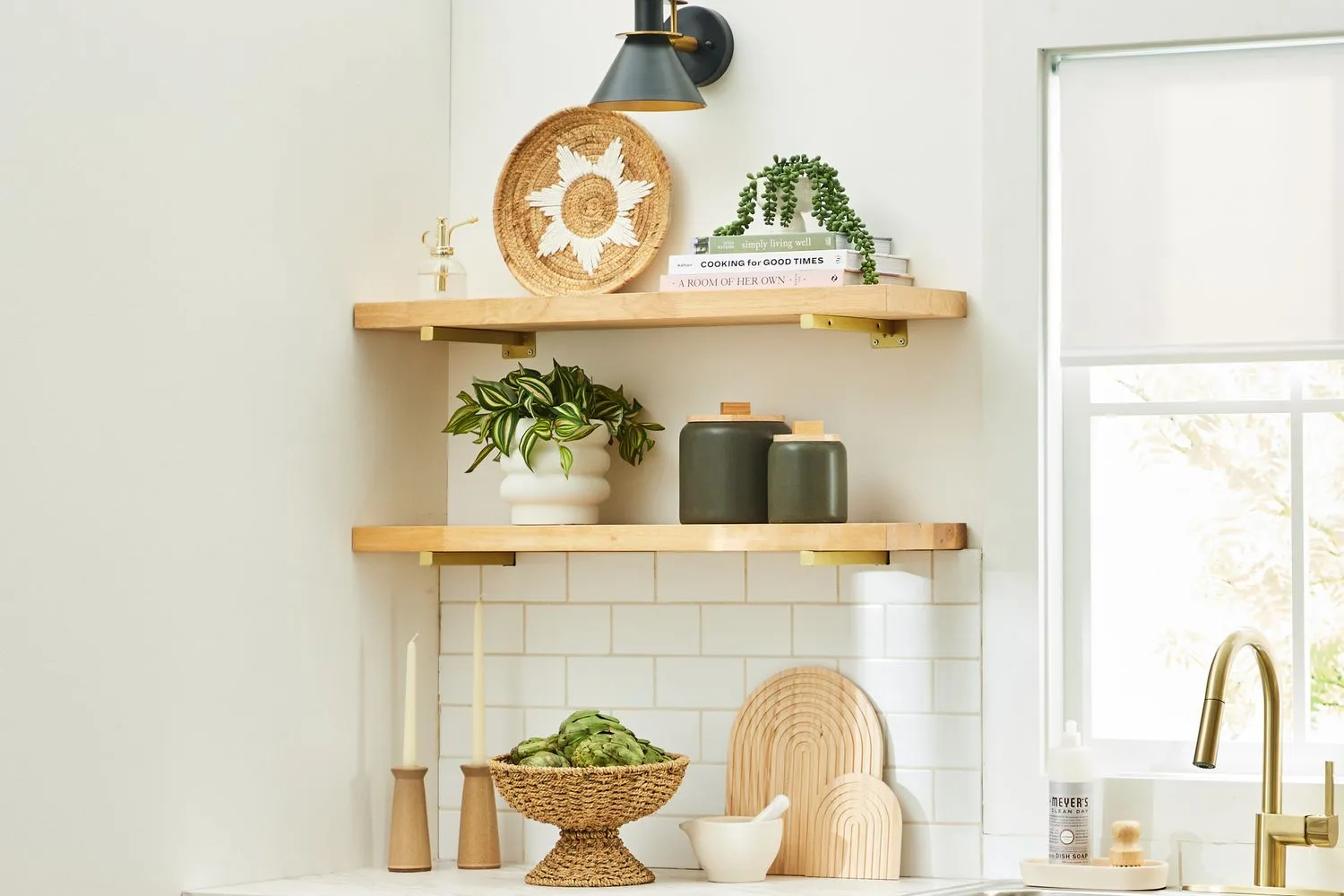
Decorating with artwork and accessories is a great way to add personality and visual interest to your kitchen. Hang artwork that reflects your taste and complements your kitchen’s style. Incorporate decorative accessories such as vases, bowls, and canisters. Display cookbooks or kitchen utensils. Consider adding a statement piece, like a colorful rug or a unique light fixture, to create a focal point. These accessories add personality and complete the look of your kitchen. The careful selection of artwork and accessories is essential to personalize your kitchen space.
Incorporate Plants and Greenery

Incorporating plants and greenery brings life and freshness to your kitchen, enhancing its overall aesthetic and creating a more inviting atmosphere. Place potted herbs on your windowsill for easy access during cooking. Add small succulents to your countertops or shelves for a touch of natural beauty. Incorporate a larger plant or a hanging basket to add height and visual interest. Plants purify the air, add color, and create a more welcoming environment. The use of greenery makes your kitchen feel more alive and connected to the outdoors. Plants and greenery are essential additions for a visually appealing and comforting kitchen space.
Final Touches
Creating a stunning kitchen is about more than just the big decisions like cabinets and appliances. It’s about the careful consideration of every detail, from the color scheme to the accessories. Remember to define your style, choose the right color palette, maximize space and storage, and select the appropriate lighting. By following these tips, you can transform your kitchen into a stylish and functional space that reflects your personality and meets your needs. Take your time, enjoy the process, and don’t be afraid to experiment. Your dream kitchen is within reach – start planning today and enjoy the transformation!