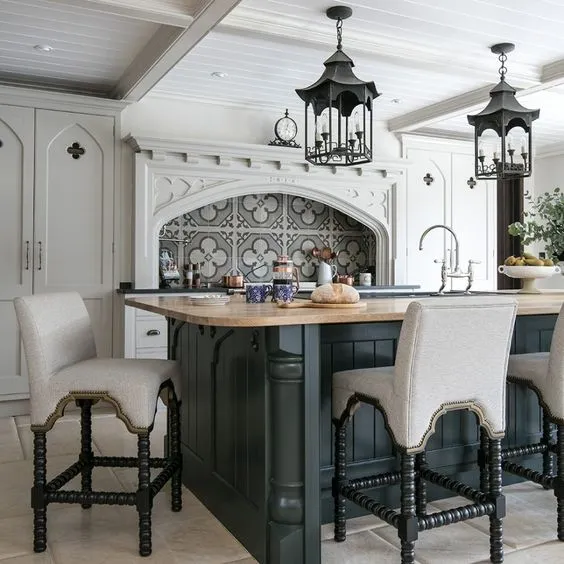
Embracing the Gothic Kitchen Aesthetic
Transforming your kitchen into a gothic haven is about creating a space that is both dramatic and inviting. It’s about embracing the beauty of darkness, the allure of history, and the elegance of intricate details. The gothic style, with its roots in medieval architecture, offers a unique opportunity to create a kitchen that is far from ordinary. This aesthetic is not just about the visual elements, but also about the feeling it evokes a sense of mystery, sophistication, and timeless elegance. With careful planning and attention to detail, you can create a gothic kitchen that is a true dark oasis, a space where you can find both solace and inspiration. It’s a design approach that celebrates the extraordinary, offering a beautiful escape from the mundane.
Understanding Gothic Design Principles
Gothic design is characterized by several key elements. To successfully incorporate it into your kitchen, it’s essential to understand these principles. Key to the gothic style is its grandeur and sense of verticality, creating an imposing and awe-inspiring atmosphere. The use of rich, often dark, colors is another defining characteristic, as is the incorporation of intricate details, such as arches, pointed windows, and ornate carvings. Gothic style focuses on creating a space that feels substantial and enduring. A sense of history and craftsmanship are at the heart of gothic design, emphasizing the importance of quality materials and thoughtful execution.
Key Elements of Gothic Architecture

Gothic architecture is defined by several key features. Pointed arches, ribbed vaults, and flying buttresses are just a few of the architectural innovations that defined the style. These elements not only served structural purposes but also created a sense of height and grandeur. Another crucial element is the use of stained-glass windows, which filter light and create a dramatic play of colors and shadows. Intricate stone carvings, often depicting religious scenes or natural elements, add a layer of detail and complexity. These elements combined to create spaces that were both awe-inspiring and functional, reflecting the values and aspirations of the medieval period.
Adapting Gothic Style to the Kitchen
Adapting the gothic style to a kitchen setting involves a more curated approach. While you may not be able to include flying buttresses, you can incorporate the essence of gothic design through careful material selection and design choices. Employ the use of pointed archways, intricate cabinet detailing, and dramatic lighting. Using dark, rich color palettes, such as deep reds, blacks, and purples, can also create a gothic ambiance. The key is to balance the dramatic elements with functionality. Ensure your kitchen layout remains practical while embracing the gothic aesthetic. Think about the use of ironwork, dark wood, and stone to add depth and texture, and consider how to incorporate these elements in a modern and functional way.
Color Palette Secrets for Gothic Kitchens
The color palette is central to the gothic aesthetic, often characterized by dark, rich, and evocative hues. The strategic use of color can set the mood and transform the ambiance of your kitchen. Dark colors create a sense of drama and sophistication, setting the stage for the gothic atmosphere you want to achieve. Consider the interplay of light and shadow, as dark colors tend to absorb light, creating a more intimate space. The use of contrasting colors can also enhance the gothic feel. Choosing colors that work together, like deep reds and blacks, is vital for creating the right atmosphere.
Dark and Moody Color Schemes

Embrace deep hues to create a truly gothic kitchen. Consider using charcoal, deep navy, or even black for your cabinetry. Pair these colors with walls in shades of deep red, burgundy, or plum. The use of metallic accents like bronze, copper, or gold can add a touch of luxury. Avoid bright, primary colors. Instead, lean towards colors that evoke a sense of mystery and history. The color scheme is essential in establishing the gothic style, as it instantly sets the atmosphere. Always remember to consider how the colors interact with each other and the amount of natural light available in your kitchen. Also, textured finishes and the use of varied materials will add additional depth and visual interest to your gothic kitchen.
Incorporating Textured Finishes
Texture is vital in bringing depth and visual interest to a gothic kitchen. Incorporating various textures will create an inviting and appealing space. Consider the use of textured tiles, such as those with a stone-like appearance, for your backsplash or flooring. Another great way to incorporate texture is using textured paint or wallpaper on the walls. Also, explore the use of wood with visible grain or dark, weathered finishes for your cabinets. The contrast between smooth and rough textures will create a captivating interplay that defines the gothic style. Use materials such as wrought iron, or hammered metal, to add character and texture to accessories and hardware. When thinking of texture always think of how the light will hit each item.
Choosing the Right Cabinetry and Countertops
Your choice of cabinetry and countertops plays a pivotal role in defining your gothic kitchen. These elements serve as the foundation upon which the gothic style is built. Cabinetry style sets the overall tone of the kitchen. Countertops offer a surface that is both functional and visually appealing. Carefully selecting the right materials, styles, and finishes will help to create an authentic gothic atmosphere. Focus on cabinet designs that echo the gothic style, and choose countertops that add to the drama and enhance the dark aesthetic. By paying careful attention to these two key aspects, you can make sure that the kitchen is not only visually stunning but also functions in an effective manner.
Cabinet Styles for Gothic Kitchens

Select cabinetry styles that reflect the gothic style. Consider cabinets with raised panel doors, detailed moldings, or even arch-shaped designs. Dark-stained or painted wood is a popular choice, often complemented by intricate hardware. Distressed finishes can also add a touch of age and history, enhancing the gothic atmosphere. For a truly dramatic look, you could consider custom cabinetry that incorporates gothic architectural elements such as pointed arches or decorative carvings. Think about the balance between functionality and aesthetics, making sure that the cabinet design enhances the overall theme of your kitchen. The design should also accommodate modern conveniences.
Countertop Materials and Design
When selecting countertops, choose materials that add to the gothic style. Granite and soapstone are excellent choices due to their dark colors and natural textures. Marble can also be used, provided it has a dark or veined appearance. Countertops should be chosen to complement the cabinetry. Consider the use of a contrasting material to create visual interest. The edge design can also contribute to the overall aesthetic, with options such as a bullnose or ogee edge adding a touch of elegance. The choice of material will have an effect on the overall look and feel of the kitchen, and they need to withstand the demands of daily use. Select materials that are both beautiful and practical for long-term enjoyment.
Enhancing the Gothic Atmosphere with Lighting
Lighting is an essential element in achieving the gothic kitchen aesthetic. It can completely transform the atmosphere, adding drama and sophistication. The right lighting scheme can create an inviting and dramatic ambiance, highlighting the features you want to showcase and creating an experience of the senses. Employ a combination of ambient, task, and accent lighting to create a layered effect. The choice of fixtures, the intensity of the light, and the shadows they cast all play a crucial role. A well-planned lighting scheme is essential in setting the stage for your gothic kitchen.
Types of Gothic Lighting Fixtures

Choose lighting fixtures that complement the gothic style. Consider chandeliers with ornate details, wrought-iron fixtures, or pendant lights with dark finishes. Sconces with a vintage or antique look can add a touch of elegance. The materials of the fixtures can vary. Think of the use of dark metals, such as iron or bronze. Using textured glass or crystal can also add to the atmosphere. Make sure to choose fixtures that fit with the overall size of the space, and consider the energy efficiency of the lighting you choose. By the right fixtures, you can add visual interest and accentuate the gothic design.
Layering Light for Ambiance
A well-designed lighting scheme layers different types of lighting to create a balanced and inviting space. Use ambient lighting as a base, with overhead lights or chandeliers to provide general illumination. Add task lighting, such as under-cabinet lights or spotlights, to illuminate work surfaces. Incorporate accent lighting, like sconces or spotlights, to highlight architectural details or artwork. Using dimmer switches can allow for you to control the level of light. Make sure that the lighting enhances the overall mood and adds visual interest. Avoid overly bright or harsh lighting that could detract from the gothic aesthetic. Layering different types of lighting will create a rich, multi-dimensional atmosphere.
Adding Gothic Details and Accessories
Details and accessories are essential elements of your gothic kitchen design. They are the small things that add personality and create a cohesive look. These elements bring the gothic aesthetic to life. Your choice of hardware, artwork, and decor will further enhance your kitchen’s overall gothic feel. Think about how these elements will complement your other design choices. From hardware to artwork, accessories can add depth and personality to your kitchen. Be mindful of scale, color, and material to keep the gothic theme consistent.
Selecting Gothic Hardware and Fixtures

Hardware and fixtures can elevate the gothic theme. Consider hardware made from dark metals, such as wrought iron, bronze, or antique brass. Choose cabinet pulls and knobs with intricate details, such as fleur-de-lis designs or gothic arches. Fixtures such as faucets and pot racks should also reflect the gothic aesthetic. Select hardware that complements your cabinet style and overall color scheme. These small details will contribute to the gothic design. Your choice of hardware will add a tactile element to the kitchen.
Incorporating Gothic Artwork and Decor
Artwork and decor can add personality and character. Choose artwork that complements the gothic style. Consider paintings, prints, or sculptures that feature gothic architecture, historical scenes, or dark themes. Mirrors with ornate frames can also add to the gothic aesthetic. Decorate with items such as candelabras, antique clocks, and vintage tableware. Display your decorative items thoughtfully. Use a balance of elements. Make sure that the scale and style complement the overall design. These items can add depth and character to your gothic kitchen design.
Creating a Functional Gothic Kitchen Layout
Functionality is important. A gothic kitchen should be beautiful and functional. When designing a kitchen, you have to plan carefully. Consider how you use the kitchen. By balancing the aesthetic with the practical requirements, you can create a space that is both visually stunning and user-friendly. A well-designed kitchen makes cooking and everyday tasks more enjoyable. Thinking about how the layout will work for you is very important. This means the placement of appliances and workspaces needs to be well thought out. This is also the time you should consider your lifestyle when designing a gothic kitchen.
Optimizing Space and Flow

Optimizing the space and flow of your kitchen is essential. Consider the layout of appliances, countertops, and the work triangle. Make sure that there is enough space for movement. Consider the flow between different work zones. You might want to add an island to your kitchen. Consider how you will use your kitchen. Make sure to arrange the kitchen in such a way that it is easy to get around. Use a layout that will make the kitchen a great space. Make sure that you consider the available space and ensure that your kitchen is efficient and comfortable.
Integrating Modern Appliances
Even with a gothic kitchen, integrating modern appliances can be done without compromising on the style. Choose appliances that match the overall design. Consider the use of dark-colored appliances or those with stainless steel finishes. Consider how to integrate the appliances into the design. Use panels that match the cabinet to hide them. Think about how you can blend the style with the function. Doing this will create a harmonious and functional space. Blend the modern appliances with gothic detailing to create a unique kitchen.
Maintaining and Updating Your Gothic Kitchen
Maintaining and updating your gothic kitchen will ensure it retains its beauty and functionality. Regular care and attention can extend the life of your kitchen. You should always adapt the style. By following these tips, you can preserve the allure of your gothic kitchen. Maintaining the beauty of your gothic kitchen requires regular care and attention. This includes cleaning and care of different surfaces. You should also consider seasonal updates. Remember, you should always adapt your kitchen to fit your lifestyle.
Cleaning and Care Tips for Gothic Surfaces
Clean and care for surfaces properly to maintain their beauty. Use the appropriate cleaning products for your cabinet finishes, countertops, and hardware. For wood cabinets, use a wood cleaner. Wipe up spills on countertops immediately. Be sure to dust and polish the metal hardware and fixtures. Inspect your kitchen. Address issues as they come up. Follow the manufacturer’s instructions on cleaning. By using these tips, you can keep your surfaces in good condition.
Seasonal Decorating Ideas for Gothic Kitchens
Updating your kitchen seasonally is a fun way to add a different touch. Consider using seasonal decor to celebrate various holidays. Decorate with pumpkins during autumn, or spooky items during Halloween. Use garlands and wreaths during the winter holidays. This can be a fun way to enjoy the gothic style. The use of seasonal decor is a great way to celebrate throughout the year. By following these tips, you can easily enhance your gothic kitchen and create a unique atmosphere.