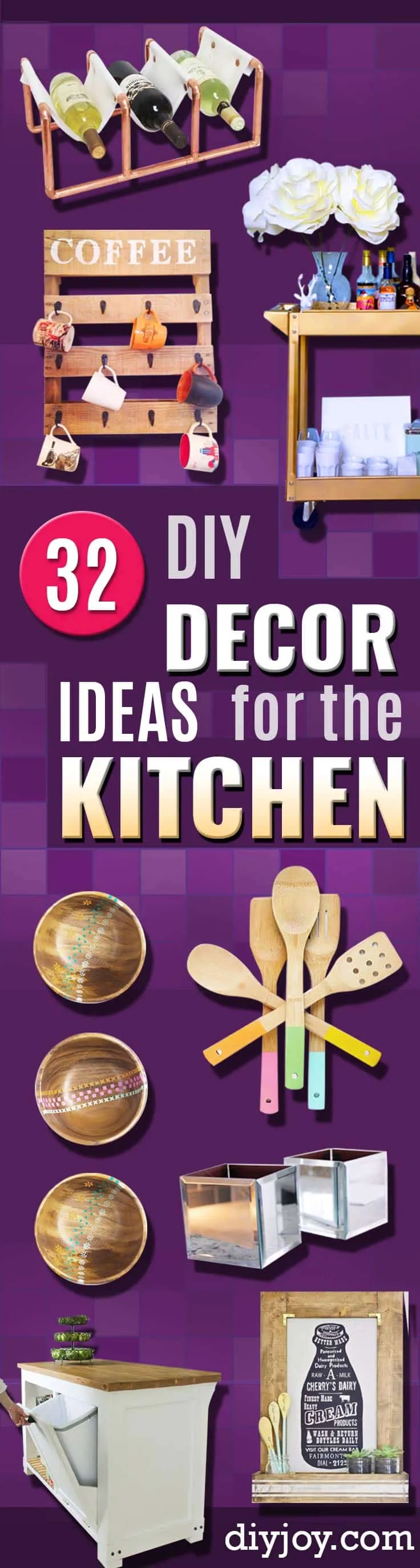
DIY Kitchen Decor Ideas Top 7 for a New Look
Transforming your kitchen doesn’t always require a complete overhaul or a hefty budget. Sometimes, all it takes is a little creativity and a willingness to get your hands dirty. DIY kitchen decor offers a fantastic opportunity to personalize your space, reflect your style, and breathe new life into the heart of your home. From simple paint updates to more involved projects, the possibilities are endless. This guide offers top 7 DIY kitchen decor ideas to help you achieve a fresh and inviting look without breaking the bank. Get ready to unleash your inner designer and create a kitchen you’ll love to spend time in.
1. Revamp Your Kitchen with a Fresh Coat of Paint
One of the most impactful and cost-effective DIY kitchen decor ideas is a fresh coat of paint. A new color can completely transform the ambiance of your kitchen, making it feel brighter, more modern, or more cozy, depending on your chosen palette. Painting is a project that most homeowners can tackle themselves with a little preparation and patience. The key is to choose the right colors and prepare the surfaces adequately for a smooth and long-lasting finish. Before you begin, assess the current condition of your kitchen walls, ensuring that they are clean and free of any imperfections or damage. Painting allows you to experiment with color without a huge financial commitment, offering a low-risk way to refresh your kitchen’s aesthetic.
Choosing the Right Paint Colors

Selecting the right paint colors is crucial for creating the desired atmosphere in your kitchen. Consider the size of your kitchen, the amount of natural light it receives, and the overall style you’re aiming for. Lighter colors like whites, creams, and pale blues can make a small kitchen feel larger and brighter, while warmer tones like yellows and oranges can create a welcoming and energetic space. For a more modern look, consider neutral grays or off-whites. Always test paint samples on your walls to see how they look in different lighting conditions throughout the day. This will help you avoid any unpleasant surprises once you’ve painted the entire kitchen. Take into account the existing elements in your kitchen, such as countertops, cabinets, and flooring, to ensure that the paint color complements them.
Preparing Your Kitchen for Painting
Proper preparation is essential for a professional-looking paint job. Start by protecting your countertops, appliances, and flooring with drop cloths and painter’s tape. Clean the walls thoroughly to remove any dirt, grease, or mildew. Fill any holes or cracks with spackle and sand them smooth. Once the surface is clean and smooth, apply a primer to ensure the paint adheres properly and provides a consistent finish. Primer also helps to seal the walls, preventing the paint from soaking in unevenly. Remove cabinet hardware, outlet covers, and any other items that could get in the way of your painting. This preparation will save you time and effort in the long run and result in a much better-looking final product.
The Painting Process
With your kitchen prepared, you’re ready to paint! Use a high-quality paint and the right tools for the job. Start by cutting in around the edges of the walls, ceilings, and trim with a brush. Then, use a roller to apply the paint to the larger areas. Apply two coats of paint for the best coverage and durability, allowing each coat to dry completely before applying the next. Work in a well-ventilated area and follow the manufacturer’s instructions for drying times. Once the paint is dry, carefully remove the painter’s tape and clean up any spills or drips. Replace the hardware, outlet covers, and any other items you removed earlier to complete the transformation. The final step is to step back and admire your freshly painted kitchen!
2. DIY Kitchen Backsplash Transformations

A backsplash is another area where you can significantly impact your kitchen’s look with a DIY project. It serves both a functional and aesthetic purpose, protecting your walls from splashes and spills while adding visual interest to the space. There are numerous DIY backsplash options available, ranging from simple peel-and-stick tiles to more involved projects like installing traditional tiles. Choose a backsplash material that complements your kitchen’s style and your comfort level with DIY projects. This project can revitalize your kitchen, providing a stylish and practical upgrade that’s both beautiful and functional. Consider your existing color scheme and kitchen design when selecting materials to ensure a cohesive look. This DIY project offers an excellent return on investment, enhancing the value and appeal of your home.
Choosing Backsplash Materials
The options for DIY backsplash materials are vast. Peel-and-stick tiles are an excellent choice for beginners, as they are easy to install and come in a variety of styles. Ceramic and porcelain tiles are classic choices that offer durability and a wide range of design options. Glass tiles can add a touch of elegance and reflect light, making your kitchen feel brighter. For a more rustic look, consider using natural stone tiles or reclaimed wood. When choosing your backsplash material, consider the durability, maintenance requirements, and the overall aesthetic of your kitchen. Think about the patterns, colors, and textures that will best complement your existing cabinets, countertops, and appliances. Take into account how easy the material will be to clean and maintain on a regular basis.
Installing a DIY Backsplash
Installing a DIY backsplash requires careful planning and execution. Measure your backsplash area accurately and gather all the necessary tools and materials, including tiles, adhesive, grout, and a grout saw. Prepare the wall surface by cleaning it thoroughly and ensuring it is level. If you’re using traditional tiles, apply the adhesive to the wall and then carefully position the tiles, using spacers to create even grout lines. For peel-and-stick tiles, simply peel off the backing and stick them to the wall, following the manufacturer’s instructions. If you are new to tiling, start with a small, less visible area to get the hang of the process. Take your time and ensure that each tile is level and securely attached. It’s worth the effort to ensure a perfect outcome.
Grouting and Finishing Touches

Once the tiles are installed and the adhesive has dried, it’s time to grout. Mix the grout according to the manufacturer’s instructions and apply it to the grout lines, using a grout float. Remove the excess grout with the float, wiping away any residue. After the grout has set, but before it’s completely dry, use a damp sponge to wipe away any remaining haze. Allow the grout to cure completely before sealing it to protect it from stains and moisture. Finally, caulk around the edges of the backsplash where it meets the countertops and walls to create a watertight seal. The finishing touches are essential to achieve a polished and professional look. A beautifully grouted and sealed backsplash is the crowning achievement of your DIY project.
3. Open Shelving for Kitchen Storage
Open shelving is a popular DIY kitchen decor idea that adds both style and functionality to your space. It creates a more open and airy feel compared to traditional upper cabinets while providing an opportunity to display your favorite dishes, cookware, and decorative items. Open shelving is a versatile option that can be adapted to various kitchen styles, from modern to farmhouse. It allows you to personalize your kitchen and create a visually appealing storage solution. This project can make your kitchen feel more spacious and inviting. Moreover, open shelving makes items more accessible, encouraging you to use what you have. When considering this project, think about the layout of your kitchen and how open shelving will integrate with the existing design.
Planning Your Open Shelving
Careful planning is key to a successful open shelving project. Measure the space where you plan to install the shelves and determine the desired height and width. Consider the weight capacity of the shelves and the type of items you plan to display. Choose a shelf material that complements your kitchen’s style, such as wood, metal, or a combination of both. Decide on the number of shelves you want and how far apart they should be spaced. Make sure to take into account any existing elements, such as windows, doorways, or appliances, that might affect the placement of the shelves. Sketch out your design to visualize the final result and make any necessary adjustments. Proper planning will help to ensure that your open shelving project is both aesthetically pleasing and functional.
Installing Open Shelves

The installation process will vary depending on the type of shelving you choose. Wood shelves can be attached to the wall using brackets, while floating shelves require a more complex installation process involving hidden supports. Always follow the manufacturer’s instructions and use the appropriate hardware for your wall type. Ensure the shelves are level and securely fastened to the wall to prevent accidents. If you’re not comfortable with DIY installation, consider hiring a professional. Proper installation is crucial for both safety and aesthetics. Double-check your measurements and use a level to ensure that your shelves are perfectly aligned. Take your time and don’t rush the process, as a well-installed shelf will last for years to come.
Styling Your Open Shelves
Styling your open shelves is where the fun begins. Arrange your items in a visually appealing way, considering both functionality and aesthetics. Mix and match different sizes, shapes, and textures to create a balanced display. Use a combination of functional items, such as dishes and cookware, and decorative items, such as plants, artwork, and cookbooks. Group items in odd numbers, such as three or five, for a more visually appealing arrangement. Leave some negative space to avoid a cluttered look. Rotate your items seasonally or when you want a fresh look. Styling your open shelves is an ongoing process, so don’t be afraid to experiment and change things up. The goal is to create a display that reflects your personal style and enhances the overall look of your kitchen.
4. Creative Kitchen Lighting
Lighting plays a crucial role in setting the mood and functionality of your kitchen. Upgrading your kitchen lighting can dramatically change the atmosphere and enhance the overall design. DIY kitchen lighting projects can range from simple fixture replacements to more complex installations involving new wiring. Proper lighting is essential for tasks like cooking and meal preparation, as well as creating a warm and inviting ambiance. There are numerous options available, so you can find the perfect lighting solution to suit your kitchen’s style and your DIY skills. By strategically incorporating different types of lighting, you can create a well-lit and visually appealing kitchen space. Consider the layout of your kitchen and the specific areas that need illumination, such as the countertops, the sink, and the dining area.
Types of DIY Kitchen Lighting

There are several types of kitchen lighting that you can incorporate into your DIY project. Overhead lighting provides general illumination for the entire kitchen. Under-cabinet lighting illuminates the countertops and work surfaces. Pendant lights add a stylish touch over an island or dining area. Recessed lighting offers a sleek and modern look. Consider the functions of each type of light and how they will work together to create a layered lighting scheme. LED lighting is energy-efficient and long-lasting, making it a great choice for any kitchen. Choose lighting fixtures that complement your kitchen’s design style, from modern to farmhouse. The right lighting can dramatically change the look and feel of your kitchen, so take the time to consider your options carefully.
Installing New Light Fixtures
Replacing old light fixtures is a relatively simple DIY project that can make a big difference. Before you begin, turn off the power to the circuit that controls the fixture. Carefully remove the old fixture, taking note of how the wires are connected. Install the new fixture, following the manufacturer’s instructions. Ensure the wires are properly connected and that the fixture is securely mounted to the ceiling or wall. If you’re not comfortable working with electrical wiring, consider hiring a professional. Check that the new fixture uses the correct type of light bulbs and that the wattage is appropriate for the fixture. Safety should always be the top priority when working with electricity, so take your time and double-check all connections.
Adding Accent Lighting
Accent lighting adds ambiance and visual interest to your kitchen. Install under-cabinet lighting to illuminate your countertops and create a warm glow. Add pendant lights over your island or dining area to provide task lighting and add a touch of style. Consider installing dimmers to control the brightness of your lights and create different moods. You can also use track lighting to highlight specific areas or artwork. The key is to layer your lighting to create a balanced and inviting space. Accent lighting can make your kitchen feel more spacious and inviting, and it also adds to its aesthetic appeal. Experiment with different lighting options to see what works best for your kitchen and your personal preferences.
5. Personalized Kitchen Accessories

Adding personalized kitchen accessories is a fantastic way to infuse your personality and style into your kitchen. These DIY projects allow you to create unique and functional items that reflect your taste and make your kitchen feel more like home. From custom utensil holders to personalized cutting boards and signage, the possibilities are endless. These projects add a personal touch, making your kitchen more inviting and reflecting your individual style. This can transform an ordinary kitchen into an extraordinary space by adding charm, character, and functionality. Embrace your creativity and enjoy the process of crafting unique accessories that elevate your kitchen design. Consider the colors, materials, and styles that resonate with you to create accessories that perfectly complement your kitchen decor.
DIY Kitchen Utensil Holders
Create your own stylish and functional utensil holders to keep your cooking tools organized and within reach. You can repurpose mason jars, paint old cans, or build custom holders from wood. Paint the holders in colors that match your kitchen decor, add stencils or labels to identify the contents, or incorporate unique details like rope or twine. This DIY project is both practical and decorative, helping you maintain a tidy and organized workspace. Select materials and designs that complement your kitchen’s overall aesthetic. This DIY project is an affordable and easy way to add a touch of personality to your kitchen decor. Utensil holders provide a convenient way to organize and access your cooking utensils while adding a personal touch to your kitchen.
Creating Custom Cutting Boards
Personalized cutting boards add a unique and functional element to your kitchen. You can purchase plain wooden cutting boards and customize them with paint, wood-burning, or engraved designs. Add a family name, a favorite quote, or a beautiful pattern to create a cutting board that is both practical and decorative. Cutting boards also make great gifts for friends and family. This project allows you to create a functional and beautiful item that enhances your kitchen experience. Choosing the right wood and finishing it with food-safe oil or sealant is important for safety and longevity. Customized cutting boards will stand out in your kitchen.
Personalized Kitchen Signage
Add personality and charm to your kitchen with custom signage. Create signs with inspiring quotes, family names, or humorous phrases. You can use stencils, paint, or wood-burning techniques to create your signs, choosing fonts and designs that complement your kitchen’s style. Hang your signs on the wall, lean them against the backsplash, or display them on open shelves. This project allows you to express your creativity and add a unique touch to your kitchen decor. The right signage can set a tone for your kitchen, making it feel more welcoming and personal. Personalized kitchen signage is a great way to add a personal touch to your kitchen decor and create a warm and inviting atmosphere.
6. Updating Kitchen Hardware
Updating your kitchen hardware is a quick and easy way to transform the look of your cabinets and drawers. New cabinet knobs, pulls, and handles can dramatically change the style of your kitchen, adding a touch of elegance, modernity, or farmhouse charm. This project is relatively inexpensive and can be completed in a weekend, making it an ideal DIY option. Kitchen hardware can elevate the overall aesthetic of your kitchen. From the color to the finish and the style, it is something that you can definitely customize. Choose hardware that reflects your taste and matches your existing kitchen decor. Ensure the new hardware is durable and easy to clean for lasting beauty and functionality. Take the time to make sure your choice fits your kitchen.
Choosing New Cabinet Knobs and Pulls
Choosing the right cabinet knobs and pulls is crucial for achieving the desired aesthetic in your kitchen. Consider the style of your cabinets and the overall design of your kitchen. For a modern look, opt for sleek, minimalist knobs or pulls. For a more traditional feel, choose ornate knobs or pulls with detailed designs. The finish of the hardware should complement your cabinets and other kitchen elements. Popular finishes include brushed nickel, oil-rubbed bronze, and matte black. Measure the existing holes in your cabinet doors and drawers to ensure the new hardware will fit. If you’re changing the style of the hardware, you may need to fill existing holes and drill new ones. The right knobs and pulls will add a touch of elegance and sophistication.
Replacing Kitchen Hardware
Replacing kitchen hardware is a straightforward DIY project. Remove the old knobs and pulls, using a screwdriver. If the holes in your cabinets are the same size as the new hardware, simply screw the new knobs or pulls into place. If the holes are a different size, you may need to fill the old holes with wood filler and drill new ones. Ensure the new hardware is securely attached to the cabinets. After the new hardware is installed, check to see if your doors and drawers open and close smoothly. New hardware can immediately refresh the look of your cabinets and drawers. Proper installation ensures a polished and professional appearance. Take your time and be sure to align each knob or pull correctly.
Finishing Touches and Detailing
Pay attention to the details to achieve a polished and professional look. Ensure all the knobs and pulls are aligned correctly and that they match throughout your kitchen. Wipe down the hardware with a damp cloth to remove any fingerprints or smudges. If you’re painting your cabinets, consider changing the color of the hardware to match the new paint job. The finishing touches can elevate the overall aesthetic and create a cohesive design. Make sure all the screws are tightened, and the hardware is secure. Well-chosen and properly installed hardware can add a touch of sophistication and elegance.
7. DIY Kitchen Decor Projects - Bringing it all together
Bringing it all together with these DIY kitchen decor ideas can transform your space into a more beautiful and functional environment. Whether you choose to focus on painting, backsplashes, open shelving, lighting, personalized accessories, or updating hardware, each project offers a unique opportunity to enhance your kitchen. Consider your existing kitchen design and personal style when choosing your DIY projects. Remember that it’s not about completing all these ideas at once but rather about finding projects that match your skill level and preferences. By implementing these DIY kitchen decor ideas, you can create a space that you love, reflecting your personality. Enjoy the process of transforming your kitchen into a stylish, inviting, and functional space.