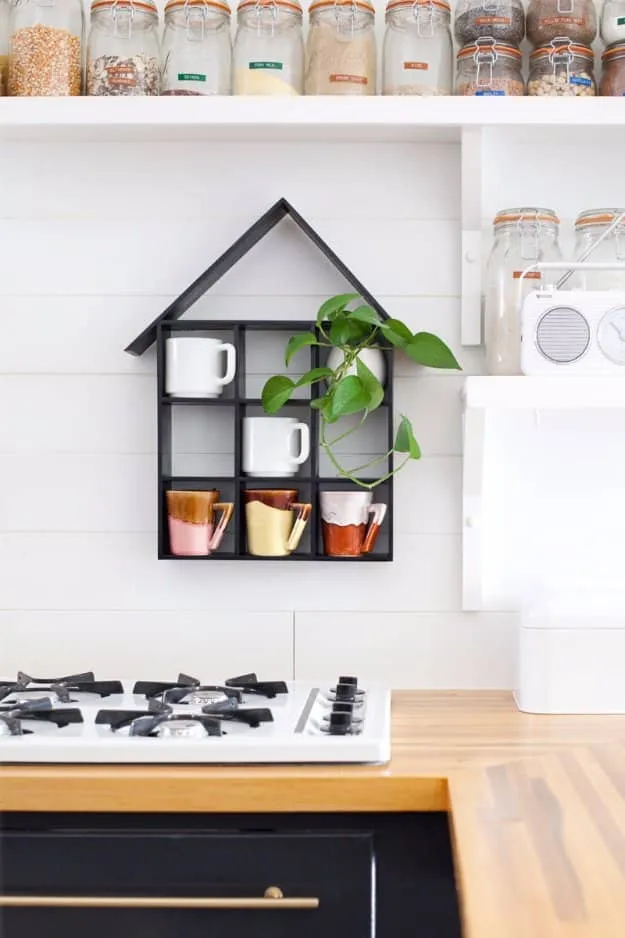
DIY Kitchen Decor Ideas
Transforming your kitchen doesn’t always require a complete renovation or expensive store-bought items. With a little creativity and some DIY spirit, you can craft unique and personalized kitchen decor that reflects your style and adds warmth to your space. These five easy and fun DIY kitchen decor crafts are perfect for beginners and seasoned crafters alike. They are designed to be budget-friendly, allowing you to create a stylish kitchen without breaking the bank. Get ready to unleash your inner artist and breathe new life into the heart of your home with these inspiring DIY projects. This guide will provide you with all the information you need, from selecting the right materials to step-by-step instructions, ensuring a successful and enjoyable crafting experience.
Crafting a Kitchen Theme
Before diving into specific projects, consider the overall theme of your kitchen. Are you aiming for a rustic farmhouse vibe, a sleek modern look, or a cozy, country feel? Your chosen theme will guide your material selections, color palettes, and the types of crafts you choose to undertake. Planning a cohesive theme ensures that your DIY projects complement each other and create a unified and aesthetically pleasing space. For example, a farmhouse theme might incorporate natural wood, vintage-inspired elements, and soft, neutral colors, while a modern kitchen might favor clean lines, metallic accents, and a minimalist approach. Consider the existing elements in your kitchen, such as cabinets, countertops, and appliances, to create a harmonious balance.
Selecting Colors and Materials

The right colors and materials are crucial for bringing your kitchen decor ideas to life. Choose a color palette that reflects your theme and personal preferences. Consider using a combination of neutral base colors, such as whites, grays, or creams, with accent colors that add pops of personality. When selecting materials, prioritize durability, functionality, and aesthetics. Wood, metal, glass, and fabric are all excellent choices, each offering a unique texture and look. Ensure that your chosen materials are suitable for the kitchen environment, which can be exposed to moisture, heat, and food. For example, use food-safe finishes on wooden cutting boards and heat-resistant materials for items near the stove. Be creative with the materials you choose, repurposing old items to add a unique and sustainable touch to your kitchen decor.
DIY Project 1: Custom Spice Rack
A custom spice rack is a practical and stylish addition to any kitchen. It keeps your spices organized and readily accessible while adding a touch of personality to your space. You can customize the size, shape, and design of the spice rack to fit your specific needs and aesthetic preferences. Consider the available wall space and the number of spice jars you own. This DIY project is relatively simple and can be completed in a few hours, making it perfect for beginners. A well-designed spice rack will not only declutter your countertop or pantry but also enhance the overall functionality and visual appeal of your kitchen. The spice rack is a testament to your creativity and commitment to a well-organized and stylish cooking space.
Gathering Materials
For this project, you’ll need a few essential materials. Start with a piece of wood, such as pine or plywood, cut to your desired dimensions for the rack. You’ll also need wood glue, screws or nails, a drill or screwdriver, sandpaper, and a finish such as paint, stain, or varnish. Other optional materials include decorative elements like stencils, labels, or small hooks for hanging utensils. Make sure you have all your tools and materials before starting to avoid interruptions during the crafting process. Gathering everything beforehand ensures that you can proceed with the project efficiently and smoothly. A well-prepared workspace is essential for a successful and enjoyable DIY experience.
Step-by-Step Guide

Begin by cutting the wood pieces to the required sizes for the rack’s shelves, back, and sides. Sand the edges of the wood to ensure a smooth finish. Assemble the rack by applying wood glue to the edges and securing the pieces with screws or nails. Allow the glue to dry completely. Sand the entire rack again to remove any imperfections. Apply your chosen finish by painting, staining, or varnishing the spice rack. Add decorative elements like stencils or labels. Once the finish is dry, install the spice rack on the wall using appropriate hardware. Your custom spice rack is now ready to display your spices in style. Enjoy the satisfaction of a well-crafted, functional, and personalized kitchen accessory.
DIY Project 2: Decorative Canisters
Decorative canisters are a great way to add both functionality and style to your kitchen. They are perfect for storing dry goods such as flour, sugar, coffee, and tea, keeping them fresh and easily accessible. You can personalize your canisters to match your kitchen’s theme and color scheme, making them a unique and attractive element of your decor. This project is highly customizable, offering endless possibilities for creativity and personalization. Canisters are not only practical for storage, but also serve as a visual focal point on your countertops or shelves, enhancing the overall aesthetic of your kitchen. They provide an opportunity to showcase your crafting skills and add a touch of handmade charm to your space.
Canister Materials and Design
You can start by using plain glass or ceramic canisters, which are readily available and affordable. Select a variety of sizes to accommodate different amounts of ingredients. Consider the shape and design of the canisters; simple, cylindrical shapes are a classic choice. To decorate them, you will need paint (acrylic or chalk paint works well), stencils, brushes, and sealant (optional). Other decorative materials include twine, ribbons, labels, and embellishments like beads or buttons. Plan your design before you start, sketching out ideas or creating a mood board to guide your creative process. This planning will make decorating more efficient and help you achieve your desired look, ensuring your canisters perfectly complement your kitchen’s theme and existing decor.
How to Paint and Embellish

Clean and dry the canisters thoroughly. Apply the base coat of paint, if desired, and let it dry completely. Use stencils to add patterns, lettering, or designs, or freehand paint your own unique artwork. If you want to add embellishments, attach them using glue or twine. Once the paint and embellishments are dry, consider applying a sealant to protect your design from wear and tear and make the canisters washable. Label the canisters with the contents for easy identification. Your personalized canisters will not only keep your dry goods organized, but they will also add a unique and stylish touch to your kitchen. This simple project is a fantastic way to express your creativity and improve your kitchen’s overall appearance.
DIY Project 3: Kitchen Towel Holders
Kitchen towel holders are both practical and decorative, adding a functional touch to your kitchen while enhancing its visual appeal. They keep your towels easily accessible and organized, preventing clutter and making it easier to dry your hands or wipe up spills. By crafting your own towel holders, you can match them to your kitchen’s design and incorporate your personal style. This project allows you to customize the look and functionality of your kitchen in an effortless manner. With a variety of design options, you can create towel holders that fit any kitchen size and decor style. They are a simple yet effective way to improve the practicality and aesthetics of your kitchen space.
Holder Materials and Design
You can use a variety of materials to create your towel holders. Consider using wooden dowels or rods, metal rings, or even repurposed items like old handles or knobs. For the holder’s structure, you can use wood, metal, or even repurposed items. Choose materials that complement your kitchen’s aesthetic and are durable enough to withstand regular use. The design of your towel holder is entirely up to you; it could be a simple wooden dowel with rope for hanging, a stylish metal ring attached to a hook, or a creative design using upcycled materials. Think about the placement of the towel holder in your kitchen and choose a design that is both practical and visually appealing, reflecting your personal style.
Crafting and Installation

Once you have your materials and design, you can begin assembling your towel holders. Cut the dowels or rods to the desired length and prepare the other materials. If you’re using wood, sand it down and apply a finish, like paint or stain, to match your kitchen’s decor. Attach the dowel or ring to the holder using screws, glue, or other suitable fasteners. After the holder is assembled, install it in your kitchen. This may involve screwing the holder into a cabinet, wall, or other surface. Ensure that the installation is secure and that the towel holder is positioned in a convenient location. Your new DIY towel holder is now ready for use. Enjoy the satisfaction of a functional and stylish addition to your kitchen, created entirely by you.
DIY Project 4: Personalized Cutting Boards
Personalized cutting boards make excellent additions to any kitchen. They are both functional and decorative, providing a surface for food preparation while adding a personal touch to your kitchen decor. You can customize the cutting board with your name, initials, or a favorite quote, turning a simple kitchen tool into a unique work of art. This project allows you to combine practicality with creativity, creating a customized piece that reflects your personality and enhances your kitchen’s aesthetic. Personalized cutting boards also make excellent gifts for friends and family, showing thoughtfulness and providing a unique and useful item for their own kitchens. These cutting boards are the perfect blend of functionality and artistic expression.
Wood Selection and Preparation
Choosing the right wood is essential for this project. Hardwoods like maple, walnut, cherry, or bamboo are ideal because they are durable and resistant to knife marks. Select a wood board that is the right size for your needs and preferences. Before starting, ensure the wood is thoroughly cleaned and sanded to remove any rough edges or imperfections. Sanding is critical to ensure a smooth surface for engraving and finishing. Ensure the wood is dry to ensure the longevity of the project. Preparing the wood properly ensures a high-quality finished product. Taking the time to prepare your wood correctly will make it look professional and will ensure its durability.
Engraving and Finishing Touches

You can engrave your cutting board using a variety of methods. Wood-burning tools, laser engravers, or even a sharp wood-carving knife can be used to create your design. Carefully plan your design before you start, and consider using stencils or templates to ensure accuracy. Engrave your chosen text or design onto the board. Once your design is complete, apply a food-safe finish. This can be food-grade mineral oil or a mixture of mineral oil and beeswax. Apply the finish generously and allow it to soak into the wood. After the finish has fully absorbed, wipe off any excess. Your personalized cutting board is now ready to use and display, adding a unique and functional element to your kitchen.
DIY Project 5: Kitchen Wall Art
Kitchen wall art is a fantastic way to add personality and visual interest to your kitchen. It can transform a plain wall into a focal point, reflecting your style and creating a welcoming atmosphere. From framed prints to painted canvases, there are numerous options for creating beautiful and affordable kitchen wall art. This project allows you to express your creativity and personalize your space, adding a touch of warmth and character to the heart of your home. Choose art that resonates with your personality and kitchen style, whether it’s humorous quotes, vibrant food illustrations, or serene landscapes. It is a simple project that makes a big difference.
Artwork Ideas
The possibilities for kitchen wall art are endless. Consider using framed prints featuring food-related quotes, vintage advertisements, or botanical illustrations. You can also paint your own canvas with abstract designs, still-life images of fruits and vegetables, or any image that inspires you. Other ideas include creating a gallery wall with a collection of small prints or photographs, or using a chalkboard to write menus, recipes, or inspirational messages. Think about the size and style of your kitchen when choosing your artwork. The goal is to create a visual element that complements your decor and reflects your personal style. Choose images that are associated with the kitchen.
Framing and Hanging
Once you’ve chosen or created your artwork, the next step is framing and hanging it. If you’re using prints or photographs, consider purchasing ready-made frames or crafting your own from wood or other materials. Choose frames that complement your artwork and kitchen decor, such as simple, minimalist frames for a modern kitchen or ornate, vintage-style frames for a more traditional setting. When hanging your artwork, consider the placement and spacing. Use picture hanging hooks or other appropriate hardware to secure the artwork to the wall. Create a visually balanced arrangement, considering the size and shape of your artwork and the layout of your kitchen. The correct framing and hanging will ensure your artwork looks its best and adds the perfect finishing touch to your DIY kitchen decor.
Conclusion
Creating DIY kitchen decor is a rewarding way to personalize your space, express your creativity, and save money. The five projects outlined in this guide—custom spice racks, decorative canisters, kitchen towel holders, personalized cutting boards, and kitchen wall art—offer a variety of options for transforming your kitchen into a stylish and functional space. By following the step-by-step instructions and incorporating your personal touches, you can create unique and attractive decor items that reflect your taste and enhance the ambiance of your kitchen. These DIY projects are not just about improving the aesthetics of your home; they are about the joy of crafting and the satisfaction of creating something beautiful with your own hands. Embrace the process and enjoy the transformation of your kitchen into a space you love.