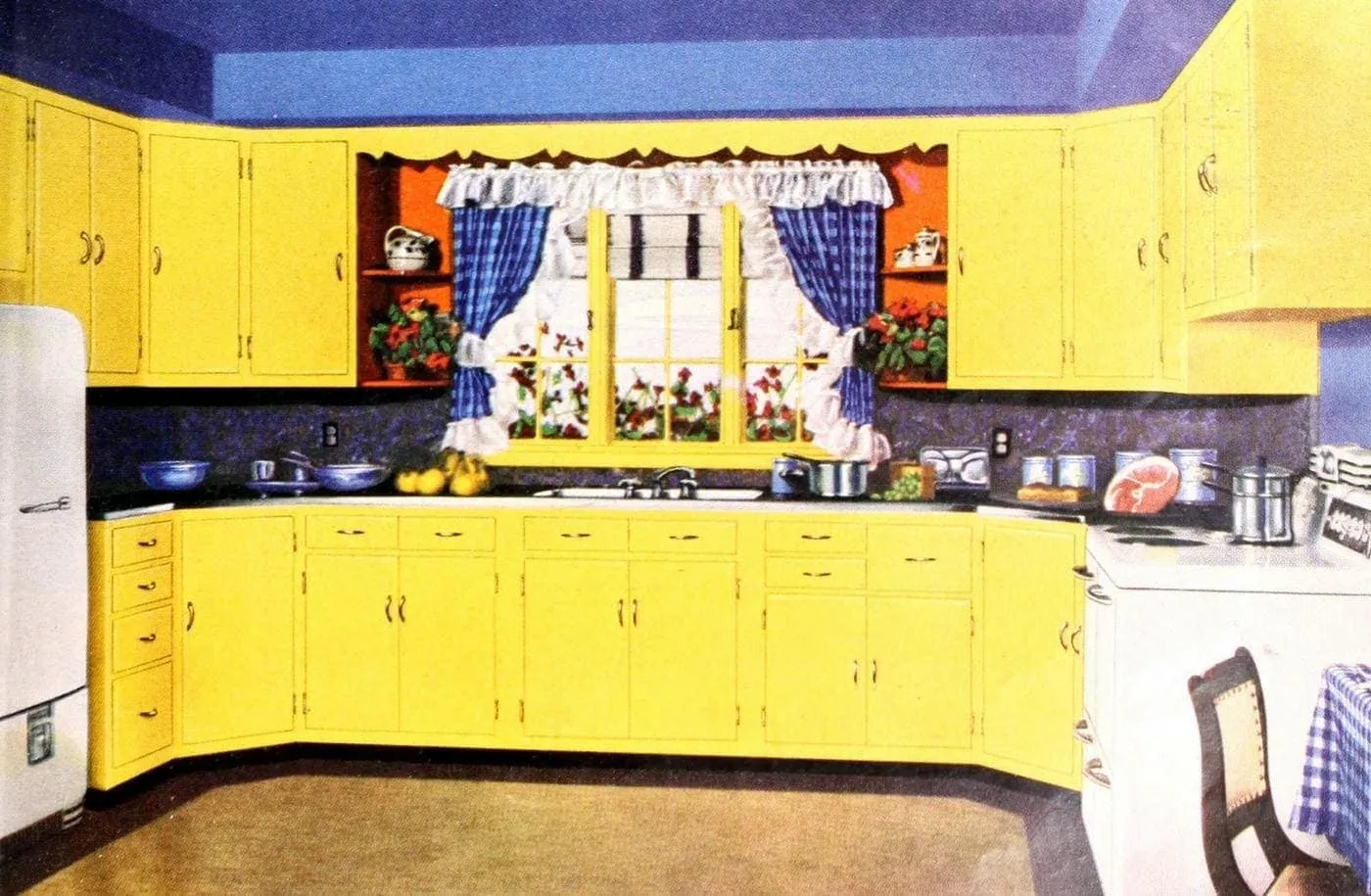
1950s Kitchen Decor The Allure of Retro
The 1950s kitchen represents a unique blend of optimism, practicality, and style, making it a perennially popular design choice. After the austerity of the war years, the 1950s heralded an era of abundance and innovation, and the kitchen became the heart of the home. This period saw the rise of new technologies, vibrant colors, and a focus on convenience, all of which influenced the way kitchens were designed and used. Today, incorporating 1950s kitchen decor allows homeowners to infuse their spaces with a sense of nostalgia and charm, creating a welcoming and visually appealing environment. The enduring appeal of this style lies in its ability to evoke feelings of warmth, comfort, and a simpler time, making it a delightful choice for those seeking a touch of retro flair. Furthermore, the design principles of the 1950s kitchen, such as efficient layouts and durable materials, continue to resonate with modern sensibilities, making it a practical as well as stylish choice.
Color Palettes of the 1950s Kitchen
Color played a crucial role in defining the aesthetic of the 1950s kitchen. The decade was characterized by a departure from the muted tones of the previous era, embracing a palette that was both cheerful and dynamic. Understanding the specific colors used during this period is key to authentically recreating the style. It’s also important to understand how these colors were used in different ways to create various moods within the kitchen. From the bright, airy feel of pastel kitchens to the bold, energetic vibe of those using saturated tones, the range of colors available during the 1950s offered something for every taste. It is a testament to the enduring appeal of these colors that they continue to be popular choices in contemporary kitchen design, offering a timeless aesthetic that never goes out of style.
Pastel Colors in 1950s Kitchen

Pastel colors were a defining feature of 1950s kitchen decor, symbolizing the era’s optimism and desire for a fresh start. Soft hues like baby blue, mint green, pale yellow, and bubblegum pink were frequently used, creating a light, airy, and inviting atmosphere. These colors were often applied to cabinets, walls, and appliances, contributing to the overall feeling of cleanliness and modernity. The use of pastels in the kitchen also reflected the changing roles of women in society. With the advent of new kitchen appliances and conveniences, the kitchen transformed from a purely functional space into a place where women could express their personal style and create a welcoming environment for their families. The gentle, cheerful tones of pastels perfectly aligned with this evolving vision of the home, making them a staple in 1950s kitchen design and a lasting symbol of the decade’s aesthetic.
Bold Colors in 1950s Kitchen
While pastels were popular, bold colors also found their place in the 1950s kitchen, injecting energy and personality into the space. Saturated hues like cherry red, turquoise, and sunshine yellow were used to create striking focal points and add visual interest. These vibrant colors were often applied to appliances, countertops, and accent walls, providing a counterpoint to the softer pastel tones. The use of bold colors reflected a desire for innovation and a sense of fun, embodying the spirit of a post-war America eager to embrace modernity. This approach often involved strategic use of color blocking and contrasting elements to create a dynamic and visually engaging kitchen. By incorporating these bolder shades, homeowners could showcase their individuality and create a kitchen that was both stylish and reflective of the era’s energetic spirit. The boldness of these colors continues to captivate, making them a popular choice for those seeking a touch of retro flair.
Key Furniture Pieces for a 1950s Kitchen
Certain furniture pieces were essential in creating the quintessential 1950s kitchen. These elements not only served practical purposes but also contributed to the overall aesthetic, shaping the kitchen into a functional and stylish space. Understanding these key furniture pieces is fundamental to achieving an authentic retro look. From the iconic diner-style booth to the classic kitchen cabinets and appliances, each element played a vital role in defining the character of the 1950s kitchen. Moreover, the materials and design details of these furnishings reflected the innovation and optimism of the era, making them timeless pieces that continue to inspire contemporary design. The furniture selected not only provided functionality but also added to the welcoming atmosphere, making the kitchen a central gathering place for family and friends.
The Iconic Diner-Style Booth

The diner-style booth is an unmistakable icon of 1950s kitchen decor. These booths, typically upholstered in vinyl in bright colors, provided a comfortable and stylish space for dining. The designs often featured sleek lines, chrome accents, and padded seating, reflecting the era’s focus on streamlined aesthetics and modern comfort. This furniture piece not only served as a functional dining area but also contributed to the kitchen’s overall charm, adding a playful and inviting touch. The integration of a diner-style booth in a 1950s kitchen design instantly creates a retro atmosphere, evoking the feeling of a classic American diner. The booth provided a cozy nook for family meals and casual gatherings, making it a central element of the kitchen’s social function. Its enduring appeal demonstrates the perfect blend of practicality and style, making it a highly desirable feature for anyone aiming to capture the essence of 1950s kitchen design.
Classic 1950s Kitchen Cabinets
Kitchen cabinets in the 1950s were characterized by their clean lines, functional design, and durable materials. Often constructed from wood or metal, these cabinets were designed to maximize storage space while maintaining a streamlined appearance. A common feature was the use of flat-panel doors with simple hardware, reflecting the era’s minimalist aesthetic. Colors often mirrored the broader palette, including pastels, bold shades, and sometimes wood finishes. Cabinet designs during this era favored efficient layouts and ease of use, which aligned with the period’s focus on convenience and modernity. These cabinets’ enduring appeal lies in their practicality and timeless style. They offer an excellent blend of functionality and aesthetic appeal, making them a staple in recreating the charm of a 1950s kitchen. These cabinets often set the tone for the rest of the kitchen design, providing a foundation for the retro aesthetic.
Vintage Appliances in a 1950s Kitchen
Vintage appliances are a cornerstone of 1950s kitchen decor, embodying the era’s technological advancements and stylistic flair. Refrigerators, stoves, and other appliances were not just functional tools but also design statements. Characterized by rounded corners, chrome accents, and vibrant colors, these appliances were designed to be both eye-catching and efficient. The emphasis on new technologies, such as electric ovens and frost-free refrigerators, reflected the period’s optimism and belief in progress. Many appliances showcased sleek, streamlined designs that complemented the overall aesthetic of the kitchen, making them a key element in achieving an authentic retro look. These appliances often served as focal points, adding a touch of visual interest and reflecting the spirit of innovation that defined the 1950s. Incorporating vintage appliances is a surefire way to bring the charm and character of the decade into your kitchen, creating a space that feels both nostalgic and functional.
The Role of Chrome and Stainless Steel

Chrome and stainless steel played an essential role in the 1950s kitchen, adding a touch of modernity and sophistication. Used extensively in appliances, cabinet hardware, and decorative accents, these materials contributed to the overall sleek and streamlined aesthetic of the era. Chrome, with its reflective surface, was often used for detailing on appliances, adding a touch of glamour. Stainless steel, known for its durability and hygienic properties, became a symbol of the era’s technological advancement. Together, chrome and stainless steel created a sense of brightness and cleanliness, reflecting the desire for a modern and efficient kitchen. Their presence in various elements, from toasters to cabinet pulls, defined the design and added a distinctive touch. The use of these materials perfectly aligned with the spirit of the 1950s, embodying both functionality and style and continuing to be an integral part of retro-inspired kitchen designs today.
Essential Decor Elements of the 1950s Kitchen
Beyond furniture and appliances, several decor elements are crucial for authentically capturing the 1950s kitchen style. These details, from the flooring to the accessories, play an essential role in setting the overall tone and ambiance. Understanding these elements is key to transforming your kitchen into a true retro haven. By carefully selecting and incorporating these details, you can create a space that not only reflects the aesthetics of the 1950s but also evokes the warmth and charm of the era. These touches combine to create a visually appealing and inviting space that reflects the spirit of a bygone era, offering a delightful blend of functionality and nostalgia.
Checkered Flooring for the 1950s Kitchen
Checkered flooring is a quintessential element of 1950s kitchen decor, immediately evoking a sense of retro charm. Typically featuring a black-and-white pattern, this flooring choice was a stylish yet practical option, adding visual interest while being easy to clean. The classic checkerboard design, often made from vinyl tiles, perfectly complemented the overall aesthetic of the era. Variations in the pattern and color combinations were also common, providing opportunities to personalize the kitchen. Checkered flooring is a visual anchor that defines the space, and it’s a relatively easy and impactful way to bring a touch of vintage flair to your kitchen. The enduring popularity of checkered flooring is a testament to its timeless appeal, making it a staple in retro-inspired designs and a symbol of 1950s kitchen design.
Curtains and Window Treatments

Curtains and window treatments played a significant role in the 1950s kitchen, adding both style and functionality. Often featuring cheerful patterns, such as floral prints, geometric designs, and bold colors, these elements provided a touch of personality. Cafe curtains, with their ability to filter light while maintaining privacy, were particularly popular. The use of crisp, clean fabrics and simple designs reflected the era’s focus on practicality and modern aesthetics. Window treatments not only enhanced the overall look but also provided essential light control and privacy. They also served to soften the space, adding to its warmth and inviting atmosphere. Selecting the right curtains and window treatments can significantly enhance the retro feel of your kitchen, bringing a touch of authenticity and style to the space. The patterns and colors of these treatments were carefully selected to complement the kitchen’s overall design and add a touch of personality to the space.
Accessories of the 1950s Kitchen
Accessories are the finishing touches that bring the 1950s kitchen to life. From vintage salt and pepper shakers to colorful canisters and retro clocks, these elements add character and personality to the space. The accessories of the 1950s were characterized by their functionality, bright colors, and playful designs. Items like ceramic cookie jars, chrome toasters, and patterned dish towels were not only practical but also decorative. Displaying vintage accessories allows you to showcase the era’s unique aesthetic and create a kitchen that is both functional and visually engaging. These details contribute to the overall charm of the retro kitchen, reflecting the spirit of the era. The right accessories can truly complete the look, adding authenticity and character to your kitchen, and ensuring that it’s a delightful space to cook, entertain, and simply enjoy.
Dinnerware and Kitchenware
Dinnerware and kitchenware were integral parts of the 1950s kitchen experience, reflecting the era’s optimism and focus on domestic life. Dishes and cookware from this period often featured bright colors, bold patterns, and innovative designs. Melamine dinnerware was a popular choice due to its durability and affordability, available in various cheerful patterns. Kitchenware, such as mixing bowls, measuring cups, and serving dishes, were also designed with both functionality and aesthetics in mind. Displaying vintage dinnerware and kitchenware can add a touch of nostalgia and charm to your kitchen decor, creating a space that feels both welcoming and stylish. These items not only serve practical purposes but also contribute to the overall aesthetic of the retro kitchen, reflecting the spirit of the 1950s and creating a cohesive design that truly captures the essence of the era.
Bringing Your 1950s Kitchen Decor to Life

Creating a 1950s-style kitchen is more than just a design choice; it is an opportunity to transform your home into a space that embodies the charm, optimism, and practicality of the era. The process involves understanding the key elements discussed and incorporating them thoughtfully. From selecting the right color palette to choosing iconic furniture pieces and accessories, each decision contributes to the overall aesthetic. To bring your 1950s kitchen to life, begin by researching and gathering inspiration. Explore design magazines, online resources, and vintage photographs to get a feel for the style. Plan the layout of your kitchen, focusing on functionality and flow. Select the color scheme, keeping the era’s signature pastels and bold colors in mind. Choose furniture and appliances that reflect the style, from diner-style booths to vintage refrigerators. Finally, add finishing touches with accessories like dinnerware, curtains, and decorative items. By thoughtfully blending these elements, you can create a kitchen that is both functional and aesthetically pleasing, a true testament to the enduring appeal of 1950s design. Embrace the charm and create a kitchen space that is both a joy to use and a delightful reflection of a bygone era.